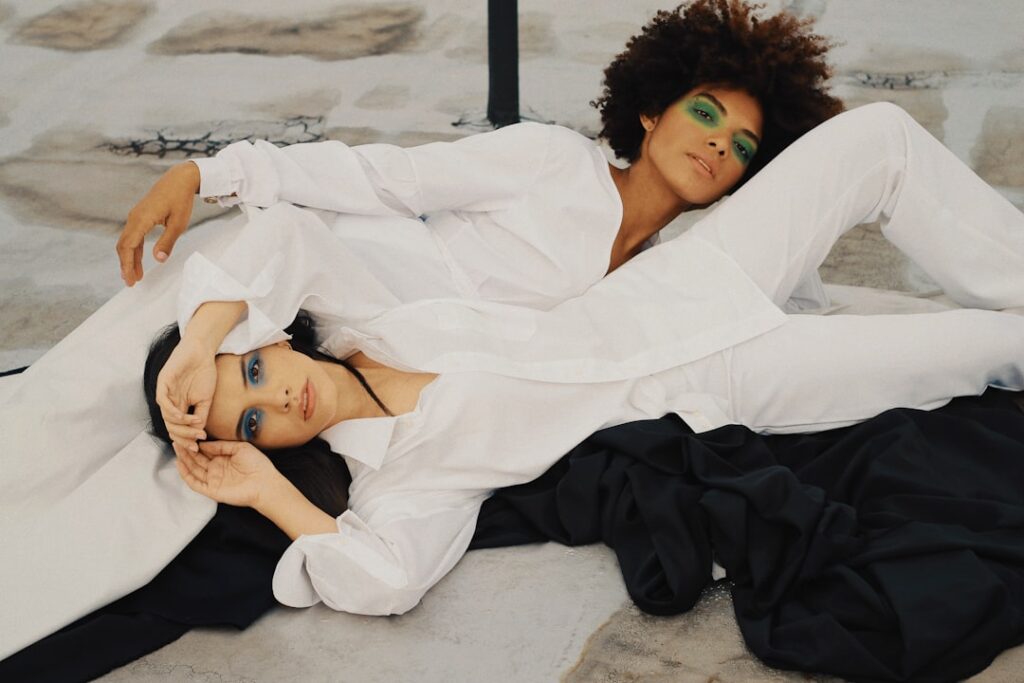
The year 2022 witnessed a dynamic evolution in women’s fashion, characterized by a complex interplay of comfort, sustainability, and a resurgence of historical aesthetics. This period was marked by a departure from the monochromatic minimalism of previous years, embracing a more varied and expressive sartorial landscape. The lingering effects of global events continued to influence design choices, prioritizing versatility and practicality while simultaneously fostering a renewed appreciation for deliberate dressing.
The discourse surrounding sustainability in fashion intensified significantly in 2022, moving beyond mere rhetoric to tangible shifts in production and consumer behavior. This was not a fleeting trend but a foundational reorientation, as designers and brands increasingly integrated ecological considerations into their core strategies.
Eco-Friendly Fabrics: Beyond Organic Cotton
While organic cotton remained a staple, 2022 saw an expansion into a broader spectrum of innovative and environmentally conscious materials. Reclaimed and recycled fabrics, particularly those derived from ocean plastics and post-consumer waste, gained considerable traction. The development of bio-based textiles, such as those made from agricultural byproducts like pineapple leaves and mushroom mycelium, moved from niche experimentation to mainstream consideration. Furthermore, the regenerative agriculture movement, focused on improving soil health and biodiversity, began to influence fiber sourcing, with brands highlighting their commitment to these practices. This marked a significant departure from simply lessening environmental impact to actively restoring ecosystems, moving from harm reduction to ecological regeneration.
Circular Fashion: A Closed-Loop Philosophy
The principles of circular fashion, aiming to eliminate waste and pollution, circulate products and materials, and regenerate natural systems, permeated various aspects of the industry. This manifested in an increased emphasis on durable, high-quality garments designed for longevity. Repair and resale programs offered by brands became more commonplace, encouraging consumers to extend the lifecycle of their clothing. Additionally, initiatives promoting upcycling and creative reuse of existing garments gained prominence, empowering individuals to transform discarded items into new aesthetic expressions. The concept of clothing as a temporary commodity began to erode, replaced by a vision of garments as valuable resources within a continuous loop, much like a thriving ecosystem where every element plays a vital, interconnected role.
Ethical Production: Transparency as a Standard
Consumer demand for ethical production practices escalated, urging brands to adopt greater transparency throughout their supply chains. Certifications pertaining to fair labor practices and living wages became crucial selling points. Brands began to actively communicate their efforts to ensure safe working conditions and equitable treatment for garment workers, moving beyond general statements to detailed disclosures. This shift reflected a growing awareness among consumers that the true cost of clothing extends beyond its price tag, encompassing the human and environmental impacts of its creation. Transparency, once a competitive advantage, began to solidify as a fundamental expectation, a clear window into the values underpinning each stitch.
For those interested in the latest trends in women’s fashion, you might find the article on innovative service award ideas to boost employee morale quite insightful, as it highlights how personal style can play a role in workplace confidence and expression. To explore this connection further, you can read the article here: Innovative Service Award Ideas to Boost Employee Morale.
The Resurgence of Y2K and Nineties Nostalgia
The fashion landscape of 2022 was undeniably suffused with a longing for the late 1990s and early 2000s, referred to as Y2K. This nostalgic wave was not a verbatim replication but a reimagining, filtered through a contemporary lens and infused with a greater sense of body positivity and individuality.
Low-Rise Silhouettes: A Confident Comeback
The controversial low-rise silhouette, a hallmark of the early 2000s, made a notable return. From jeans to skirts and trousers, waistlines descended, often paired with cropped tops and midriff-baring designs. This re-emergence was not without debate, but it signaled a collective embrace of boldness and a playful defiance of more conventional high-waisted styles. It was a sartorial act of reclaiming a specific aesthetic, demonstrating a confidence in individual body expression rather than adherence to prescribed norms.
Baggy and Oversized: Comfort Meets Style
In contrast to the sleekness of some Y2K elements, the prevalence of baggy and oversized garments continued to thrive. Wide-leg trousers, slouchy blazers, and voluminous hoodies provided an antidote to form-fitting styles, prioritizing comfort without sacrificing a distinct aesthetic. This trend, a carryover from the pandemic, solidified its place as a cornerstone of casual and even semi-formal attire, offering a sense of ease and effortless cool. It was a fashion embrace that mirrored the desire for both physical and mental breathing room in a bustling world.
Micro-Minis and Cut-Outs: Audacious Details
The micro-mini skirt re-entered the fashion lexicon with a renewed vigor, often paired with chunky platforms or knee-high boots. Complementing this daring silhouette, cut-outs in strategic locations – at the waist, décolletage, or back – became ubiquitous. These elements injected an element of playful sensuality and dynamism into collections, demonstrating a willingness to experiment with revealing forms and unexpected architectural details. These were not mere flashes of skin but carefully considered design elements, shaping garments and drawing the eye with deliberate intent.
Dopamine Dressing: A Kaleidoscope of Emotion
Following a period often characterized by muted tones and practical attire, 2022 ushered in “dopamine dressing,” a vibrant rebellion of color and pattern. This trend posited that clothing could be a powerful tool for emotional upliftment, a direct conduit to joy and optimism.
Bold Colors and Striking Prints: A Feast for the Eyes
The runways and streets alike blossomed with an explosion of saturated hues. Electric pinks, vibrant oranges, emerald greens, and sky blues dominated collections, often worn in monochromatic ensembles or clashing combinations. Alongside this chromatic exuberance, maximalist prints, including abstract patterns, psychedelic motifs, and digital-inspired graphics, became prominent. This was a direct antidote to the muted palettes that had prevailed, a visual declaration of optimism and a celebration of self-expression through chromatic audacity. Each garment became a canvas, and each color a brushstroke in a vibrant symphony.
Textural Play: Engaging the Senses
Beyond color and print, 2022 saw an increased emphasis on textural exploration. Knitwear in chunky, tactile forms, often featuring intricate cable patterns or open weaves, provided a comforting embrace. Shearling, faux fur, and various forms of plush fabrics added a luxurious and sensory dimension to outerwear and accessories. The interplay of different textures within a single outfit created visual interest and a tactile richness, inviting engagement beyond mere visual appreciation, making clothing an experience unto itself. This was a deliberate effort to engage more than just the eyes, much like an orchestra utilizing a full range of instruments to create a rich and immersive sound.
Playful Accessories: The Finishing Touches
Accessories played a pivotal role in dopamine dressing, serving as exclamation points to already vibrant ensembles. Chunky, colorful jewelry, oversized sunglasses in unexpected frames, and whimsical handbags became essential components. These elements were not merely functional but expressive, adding a layer of humor, individuality, and personality to every outfit. They acted as conversational pieces, little nuggets of joy that punctuated and elevated the overall aesthetic.
The Allure of the Artisanal and Handcrafted
In an increasingly digitized world, 2022 witnessed a strong pull towards the authentic and the handcrafted. This trend reflected a desire for garments that tell a story, imbued with human touch and a sense of heritage.
Crochet and Knitwear: A Revival of Craft
Crochet, once relegated to bohemian aesthetics, experienced a high-fashion renaissance. From intricate dresses and tops to delicate accessories, the artisanal charm of hand-hooked textiles was celebrated. Similarly, knitwear evolved beyond basic sweaters, encompassing elaborately constructed pieces, often featuring unique stitch work, open-knit patterns, and multi-textural yarns. This trend underscored an appreciation for the meticulous skill and time involved in creating handmade items, a quiet rebellion against mass production, like savoring a slow meal in a world of fast food.
Embroidery and Embellishment: Details That Speak Volumes
Hand-stitched embroidery, beading, and other forms of embellishment added a bespoke quality to garments. These details, whether subtle accents or elaborate patterns, suggested a level of artistry and individualism. They transformed ordinary garments into wearable works of art, distinguishing them from their machine-made counterparts. This was not merely decoration, but an artistic signature, a testament to the human hand transforming fabric into a narrative.
Upcycled and Repurposed Pieces: Unique Narratives
The spirit of upcycling and repurposing contributed significantly to the artisanal trend. Designers and individuals creatively reimagined existing garments, transforming them into new and unique pieces. This not only aligned with sustainable principles but also celebrated individuality, as each upcycled item carried a distinct history and a fresh narrative. It was a testament to the idea that true creativity lies not just in creating something new, but in seeing the potential in what already exists, much like a sculptor revealing a form hidden within raw stone.
In the ever-evolving world of women’s fashion, staying updated with the latest trends is essential for making a statement. A recent article discusses how integrating modern audio-visual technology in workspaces can enhance communication, which is increasingly relevant as fashion brands utilize innovative methods to showcase their collections. For more insights on this topic, you can read the article here: integrating modern audio-visual technology. This intersection of technology and fashion not only influences how we perceive style but also how brands connect with their audience.
The Enduring Appeal of Elevated Basics and Versatility
| Category | Average Price | Popularity Index | Top Trend 2024 | Customer Rating (out of 5) |
|---|---|---|---|---|
| Dresses | 75 | 85% | Floral Prints | 4.5 |
| Tops & Blouses | 40 | 78% | Oversized Silhouettes | 4.2 |
| Jeans & Pants | 60 | 80% | High-Waisted | 4.3 |
| Outerwear | 120 | 70% | Trench Coats | 4.6 |
| Shoes | 90 | 88% | Chunky Sneakers | 4.7 |
| Accessories | 30 | 65% | Statement Earrings | 4.4 |
While 2022 was characterized by bold statements, the foundation of many wardrobes remained firmly rooted in elevated basics and versatile pieces. This trend emphasized quality, longevity, and the ability of individual items to be styled in myriad ways.
The Perfect White Shirt: A Timeless Icon Reimagined
The classic white shirt, a perennial wardrobe staple, received renewed attention. Designers experimented with exaggerated cuffs, interesting collars, distinct fabrications, and unconventional silhouettes, transforming it from a simple garment into a statement piece. Its versatility remained paramount, transitioning seamlessly from professional settings to casual outings, demonstrating its chameleon-like ability to adapt to any environment. It was a sartorial blank canvas, waiting to be imbued with personal expression.
Tailoring with a Twist: Modernizing Classics
Traditional tailoring underwent a subtle but significant evolution. Blazers and trousers retained their sharp lines but incorporated relaxed fits, unexpected fabrics, and nuanced details. Oversized blazers, often paired with casual separates, became a key element of contemporary styling. This reimagining of classic tailoring struck a balance between formality and comfort, making structured garments more approachable and adaptable to diverse lifestyles. The essence of tailoring remained, but the rigid confines were loosened, much like a carefully composed piece of music that still allows for improvisational flourishes.
Transitional Outerwear: Functionality Meets Style
Outerwear in 2022 prioritised versatility and multi-season functionality. Lightweight trenches, chic chore jackets, and versatile overshirts became essential layering pieces. These garments were designed to adapt to fluctuating temperatures and various occasions, blurring the lines between indoor and outdoor wear. This emphasis on adaptable outerwear reflected a pragmatic approach to dressing, acknowledging the unpredictability of both weather and daily schedules, providing a constant umbrella against the elements of both nature and routine.
In conclusion, the women’s fashion landscape of 2022 was a multifaceted tapestry woven with threads of sustainability, nostalgia, bold self-expression, and a deep appreciation for craftsmanship. It was a year where comfort and practicality informed aesthetic choices, yet individuality and joyous experimentation were paramount. The shifts observed in 2022 were not merely superficial trends but indicative of a deeper societal introspection, reflecting a desire for clothing that resonates with personal values, embraces creativity, and offers a nuanced understanding of modern womanhood. It was a reflection of a generation seeking to dress with intention, both for themselves and for the world around them.
FAQs
What are the current trends in women’s fashion?
Current trends in women’s fashion often include a mix of classic styles and contemporary influences, such as sustainable fabrics, oversized blazers, wide-leg pants, and bold prints. Trends can vary seasonally and regionally.
How can I determine my personal style in women’s fashion?
To determine your personal style, consider your lifestyle, body shape, color preferences, and comfort. Experiment with different clothing types and accessories to see what makes you feel confident and authentic.
What are essential wardrobe staples for women?
Essential wardrobe staples typically include items like a well-fitted pair of jeans, a classic white shirt, a little black dress, a tailored blazer, and versatile footwear. These pieces can be mixed and matched for various occasions.
How does women’s fashion vary across different cultures?
Women’s fashion varies widely across cultures, reflecting local traditions, climate, and social norms. For example, traditional garments like the sari in India, the kimono in Japan, and the dashiki in West Africa showcase cultural heritage and influence modern fashion trends.
What role does sustainability play in women’s fashion?
Sustainability in women’s fashion focuses on reducing environmental impact through eco-friendly materials, ethical production practices, and promoting slow fashion. Many brands now prioritize sustainable sourcing and encourage consumers to buy less but better-quality clothing.