
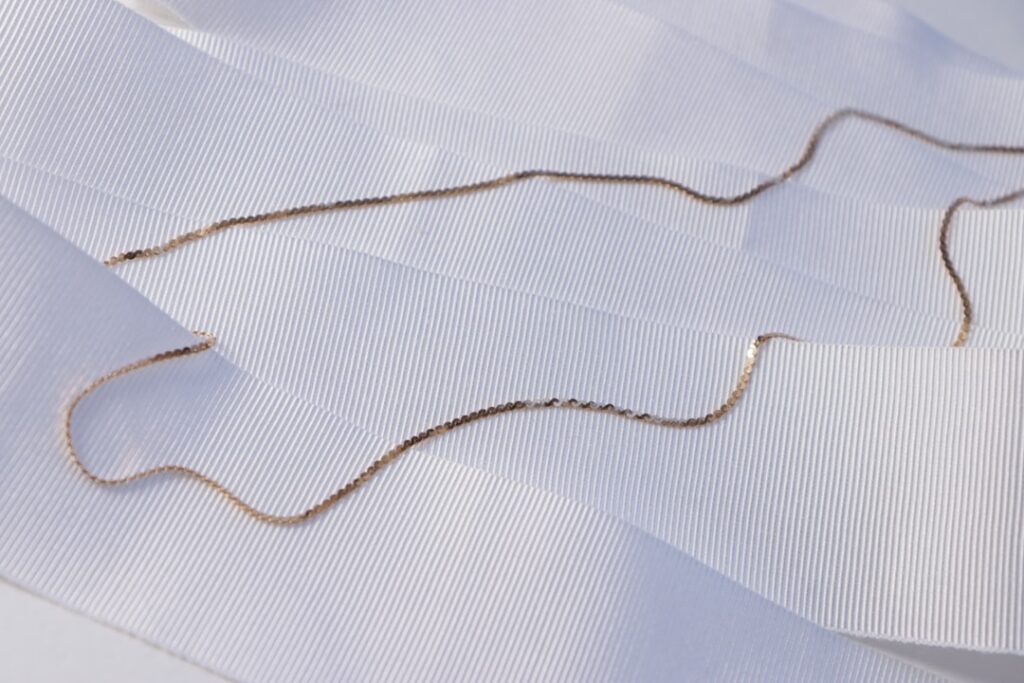
Gold, a precious metal, has captivated humanity for millennia. Its intrinsic value, enduring beauty, and resistance to corrosion have cemented its position as a cornerstone of human civilization, particularly in the realm of adornment. Throughout history, gold jewelry has transcended fleeting trends, consistently signifying wealth, status, and cultural identity. This enduring appeal underscores its “timeless elegance,” a quality that continues to resonate with individuals across diverse cultures and generations.
The journey of gold jewelry began in antiquity, deeply intertwined with the development of early human societies. Archaeological evidence suggests its use predates recorded history, with some of the earliest known examples dating back to roughly 4000 BCE in Eastern Europe.
Early Civilizations and Gold
- Ancient Egypt: Gold was considered the flesh of the gods, particularly the sun god Ra. Pharaohs and high-ranking officials adorned themselves with elaborate gold jewelry, including pectorals, collars, and rings, signifying their divine or semi-divine status and their connection to the afterlife. Tutankhamun’s burial mask, a masterpiece of ancient Egyptian artistry, stands as a testament to this reverence.
- Mesopotamia: Sumerians, Assyrians, and Babylonians, inhabiting the “cradle of civilization,” meticulously crafted gold jewelry for religious ceremonies, royal adornment, and as symbols of power. Filigree and granulation techniques, still employed today, were pioneered by these ancient artisans.
- Indus Valley Civilization: Excavations at sites like Mohenjo-Daro and Harappa have revealed sophisticated gold ornaments, including necklaces, bangles, and earrings, showcasing advanced metallurgical skills for their time.
- Minoan and Mycenaean Cultures: On the island of Crete and mainland Greece, these Bronze Age civilizations produced exquisite gold jewelry featuring intricate designs, often depicting nature, animals, and mythological figures. The “Mask of Agamemnon,” though its attribution is debated, exemplifies the gold artistry of this era.
The Greco-Roman Influence
The classical periods of Greece and Rome further solidified gold’s role in personal adornment.
- Ancient Greece: Greek goldsmiths were renowned for their delicate and intricate work, often incorporating enamel and precious stones. Their designs frequently drew inspiration from mythology and the natural world, emphasizing aesthetic beauty and balance.
- Roman Empire: Romans adopted and adapted Greek jewelry styles, with a greater emphasis on mass production and the use of gemstones. Gold rings became significant as symbols of marriage, social standing, and official seals.
Medieval and Renaissance Eras
During the Middle Ages, gold jewelry often served religious purposes, adorning reliquaries, crosses, and liturgical objects. The Renaissance, a period of artistic and intellectual rebirth, witnessed a resurgence in elaborate secular gold jewelry, reflecting newfound prosperity and a renewed interest in classical aesthetics.
Gold jewelry has long been a symbol of wealth and elegance, captivating individuals with its timeless allure. For those interested in enhancing their shopping experience, understanding consumer behavior can be crucial. A related article that explores optimizing business strategies for today’s shoppers can be found here: Faster, Fresher, Finer: Optimizing Your Grocery Business for Today’s Shopper. This piece provides valuable insights that can be applied to various retail sectors, including the gold jewelry market.
The Enduring Appeal of Gold
The allure of gold jewelry is multifaceted, extending beyond its historical significance. Its intrinsic properties and symbolic weight contribute to its sustained popularity.
Physical and Chemical Properties
- Lustrous Appearance: Gold possesses a unique, radiant luster that reflects light in a captivating manner. This characteristic contributes to its visual appeal and sense of preciousness.
- Malleability and Ductility: Gold is the most malleable and ductile of all metals, allowing goldsmiths to shape it into intricate and delicate forms without fracturing. This property is crucial for crafting complex jewelry designs. One gram of gold can be hammered into a sheet one square meter in size, or drawn into a wire three kilometers long.
- Corrosion Resistance: Gold is largely inert, meaning it does not react with oxygen, moisture, or most acids. This resistance to tarnishing and corrosion ensures its lasting beauty and durability, preserving its value over time.
- Hypoallergenic Quality: Pure gold is generally hypoallergenic, making it suitable for individuals with sensitive skin. This inherent characteristic enhances its wearability and broadens its appeal.
Symbolism and Cultural Significance
Beyond its physical attributes, gold holds profound symbolic meaning across diverse cultures.
- Wealth and Prosperity: Historically, gold has been a universal symbol of wealth, power, and economic stability. Its use in currency and as a store of value has reinforced this association.
- Love and Commitment: In many cultures, gold jewelry, particularly wedding bands, symbolizes enduring love, fidelity, and the unbreakable bond between partners. The circular shape of a ring, without beginning or end, perfectly encapsulates this concept of eternity.
- Status and Prestige: Adorning oneself with gold jewelry often denotes high social standing, influence, and success. Its scarcity and value naturally elevate its wearer’s perceived status.
- Divine and Spiritual Connection: As seen in ancient Egypt, gold has often been linked to deities, the sun, and divine power. It represents purity, enlightenment, and spiritual significance in various religious traditions.
- Celebration and Milestones: Gold jewelry is frequently gifted to commemorate significant life events such as births, graduations, anniversaries, and holidays, marking these occasions with a tangible symbol of their importance.
The Craftsmanship of Gold Jewelry
The creation of gold jewelry is a testament to human ingenuity and artistry, involving a blend of traditional techniques and modern innovations.
Traditional Goldsmithing Techniques
- Casting: One of the oldest methods, casting involves pouring molten gold into a mold to create a desired shape. This technique allows for the creation of intricate and detailed pieces.
- Filigree: This delicate art form involves twisting and curling fine gold wires into intricate lacelike patterns, often soldered onto a solid gold base.
- Granulation: Small spherical gold granules are individually fused onto a gold surface, creating textured patterns and designs. This specialized technique requires immense skill and precision.
- Repoussé and Chasing: These techniques involve hammering or pushing gold from the reverse side (repoussé) or the front side (chasing) to create three-dimensional forms and intricate designs.
- Engraving: Carving designs into the surface of gold using specialized tools, known as burins, to create detailed patterns, inscriptions, or textures.
Modern Innovations in Gold Jewelry
Contemporary goldsmiths integrate advanced technologies to enhance design possibilities and efficiency.
- Computer-Aided Design (CAD): Designers utilize CAD software to create precise 3D models of jewelry, allowing for intricate designs and detailed visualizations before physical production.
- 3D Printing: This technology enables the creation of wax or resin models directly from CAD designs, which are then used for investment casting, significantly speeding up the prototyping and production process.
- Laser Technology: Lasers are employed for precise cutting, engraving, welding, and even texturing of gold, offering unprecedented accuracy and versatility.
- Advanced Alloying: Metallurgists continue to develop new gold alloys, such as various shades of rose gold and white gold, by carefully blending gold with other metals to achieve specific colors, strengths, and properties while maintaining the essence of gold.
Understanding Gold Purity and Types
When considering gold jewelry, understanding its purity and the different types of gold available is essential.
Karatage System
- Definition: Gold purity is measured in karats (K), indicating the proportion of pure gold in an alloy. 24 karat gold is considered 100% pure gold.
- Common Karatages:
- 24K (100% Pure Gold): While beautiful, 24K gold is very soft and susceptible to scratching, making it less practical for everyday jewelry. It is often preferred in investment bullion.
- 22K (91.7% Gold): Slightly harder than 24K, 22K gold is common in traditional jewelry, particularly in Asia.
- 18K (75% Gold): A popular choice for fine jewelry, 18K gold offers a good balance of purity, durability, and a rich gold color. It contains 18 parts gold and 6 parts other metals.
- 14K (58.3% Gold): More durable than 18K due to a higher percentage of alloying metals, 14K gold is a common choice for engagement rings and everyday wear, offering good value and strength.
- 10K (41.7% Gold): The lowest karatage considered real gold in many countries, 10K gold is very durable but has a less intense yellow color due to the higher proportion of alloying metals.
Types of Gold
The color of gold jewelry is influenced by the metals it is alloyed with.
- Yellow Gold: The classic and most traditional form of gold, yellow gold is typically alloyed with silver and copper to increase its strength while maintaining its warm hue.
- White Gold: Created by alloying gold with white metals such as palladium, nickel, or silver. White gold often receives a rhodium plating to enhance its whiteness and luster, as it naturally has a slightly yellowish tint. This rhodium plating may need to be reapplied periodically.
- Rose Gold: Also known as pink gold or red gold, rose gold achieves its distinctive reddish hue from a higher proportion of copper in its alloy, often combined with silver. The varying amounts of copper can create different shades of pink or red.
- Green Gold: Less common, green gold (or electrum) is an alloy of gold and silver, sometimes with a small amount of copper. Its greenish tint is subtle.
- Black Gold: This is achieved through various processes, including black rhodium plating, chemical vapor deposition (CVD), or laser treatment, to create a darkened surface on gold jewelry. It is a surface treatment rather than an inherent alloy color.
Gold jewelry has long been cherished not only for its beauty but also for its cultural significance and investment value. Many people are drawn to the allure of gold, making it a popular choice for various occasions. If you’re interested in understanding the broader implications of value and utility in different sectors, you might find it insightful to read about the distinctions between utility companies and electricity providers in this article on demystifying their roles. This exploration can provide a unique perspective on how value is perceived across different industries, including the jewelry market.
The Investment Value and Legacy of Gold Jewelry
| Metric | Value | Unit | Notes |
|---|---|---|---|
| Purity | 24, 22, 18, 14, 10 | Carats | Common gold karat values used in jewelry |
| Gold Content | 100%, 91.7%, 75%, 58.3%, 41.7% | Percentage | Corresponding to 24K, 22K, 18K, 14K, 10K respectively |
| Density | 19.32 | g/cm³ | Density of pure gold |
| Average Weight | 5 – 20 | grams | Typical weight range for gold jewelry pieces |
| Melting Point | 1064 | °C | Melting point of pure gold |
| Market Price | Varies | Per gram | Depends on purity and market fluctuations |
| Common Alloys | Silver, Copper, Zinc, Nickel | Elements | Used to create different karat gold colors and hardness |
Beyond its aesthetic appeal, gold jewelry holds significant value as an investment and a tangible link to heritage.
A Store of Value
- Inflation Hedge: Gold has historically been regarded as a hedge against inflation, tending to hold its value or even increase when currencies lose purchasing power.
- Economic Stability: In times of economic uncertainty, gold often serves as a safe haven asset, attracting investors seeking stability.
- Tangible Asset: Unlike paper investments, gold jewelry is a physical asset that can be held and appreciated, offering a psychological sense of security.
Heirloom and Heritage
- Generational Link: Gold jewelry often transcends generations, becoming cherished family heirlooms that carry stories, memories, and cultural significance. Passing down a piece of gold jewelry is an act of preserving family history and connecting future generations to their past.
- Cultural Identity: For many cultures, specific gold jewelry designs are integral to traditional dress and celebrations, symbolizing heritage and identity.
- Emotional Value: The sentimental value attached to gold jewelry, particularly pieces gifted or inherited, often far exceeds its monetary worth. It becomes a vessel for affection, commemoration, and enduring legacy.
In conclusion, the “timeless elegance” of gold jewelry is not merely a poetic phrase; it is a testament to its enduring intrinsic properties, profound cultural significance, and the unwavering artistry of its creators. From the earliest civilizations to the contemporary era, gold has served as a universal language of beauty, status, and sentiment. Its resistance to decay mirrors its resistance to obsolescence in human aesthetic appreciation. As a beacon of enduring value and a tangible link to history and personal milestones, gold jewelry continues to capture the imagination, representing not just a precious metal, but a timeless embodiment of human aspiration and artistry. When you wear a piece of gold jewelry, you are not merely adorning yourself; you are participating in a lineage of luxury and legacy that spans millennia, a thread of history woven with the most precious of materials.
FAQs
What types of gold are commonly used in gold jewelry?
Gold jewelry is typically made from 24K, 22K, 18K, 14K, or 10K gold. The karat number indicates the purity of the gold, with 24K being pure gold and lower karats containing a mix of gold and other metals for added strength and durability.
How is the purity of gold measured in jewelry?
The purity of gold in jewelry is measured in karats (K) or fineness. Karats range from 1 to 24, with 24K being pure gold. Fineness is expressed in parts per thousand, such as 750 for 18K gold, meaning 75% gold content.
What are common alloys mixed with gold in jewelry making?
Common alloys mixed with gold include copper, silver, nickel, and zinc. These metals enhance the strength, color, and durability of gold jewelry, as pure gold is soft and prone to scratching.
How should gold jewelry be cared for to maintain its appearance?
Gold jewelry should be cleaned regularly with mild soap and warm water, then dried with a soft cloth. Avoid exposure to harsh chemicals, chlorine, and abrasive materials. Storing gold pieces separately can prevent scratches and tangling.
Is gold jewelry a good investment?
Gold jewelry can hold intrinsic value due to its gold content, but its investment value depends on factors like craftsmanship, design, and market demand. Pure gold bullion or coins are generally considered better for investment purposes than jewelry.