
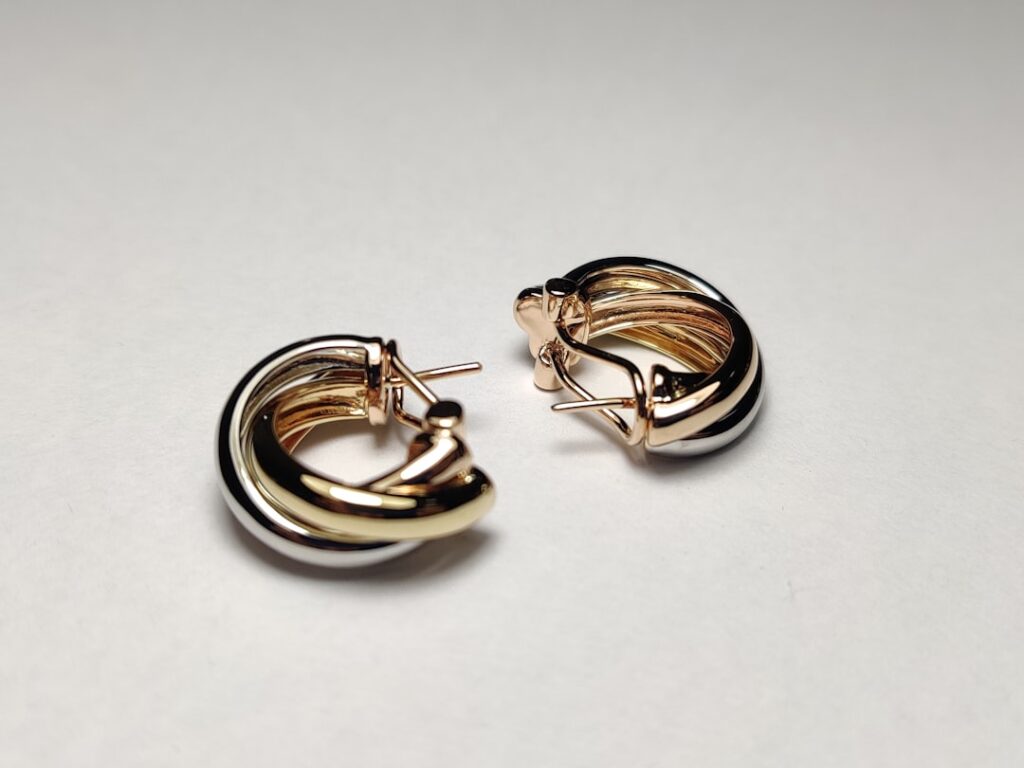
Earrings, as an integral component of personal ornamentation, have transcended cultural and temporal boundaries, serving as both aesthetic enhancements and symbols of status, identity, and belief. This guide explores the multifaceted world of earrings, offering a comprehensive overview of their history, styles, materials, and considerations for selection and care.
The practice of adorning ears dates back to antiquity, with archaeological evidence pointing to their use across diverse civilizations. Early forms of earrings were often functional, serving as tribal identifiers, talismans against evil, or indicators of social hierarchy.
Ancient Origins and Cultural Significance
Remnants of earrings have been discovered in ancient tombs and archaeological sites, providing insights into their widespread adoption. In ancient Mesopotamia, earrings were prevalent among both men and women, often crafted from gold, silver, and precious stones. Egyptian pharaohs and nobles favored elaborate designs, symbolizing wealth and power. The Minoan civilization, known for its intricate metalwork, produced distinctive hoop earrings.
Evolution Through Dynasties and Empires
During the Roman Empire, earrings frequently depicted mythological figures or symbols of familial lineage. The Byzantine Empire saw a proliferation of pearl and gemstone earrings, reflecting a penchant for opulence. In medieval Europe, sumptuary laws sometimes dictated who could wear certain materials or styles, but earrings remained a fixture, particularly among the aristocracy. The Renaissance period brought a renewed interest in classical designs and the emergence of more refined craftsmanship.
Modern Developments and Mass Production
The Industrial Revolution revolutionized earring production, making them more accessible to a wider demographic. The 20th century witnessed an explosion of styles, influenced by fashion movements, subcultures, and advancements in materials science. From Art Deco geometrics to bohemian fringes, earrings became a dynamic canvas for artistic expression.
Earrings have long been a popular accessory, but their evolution and the materials used in their creation are fascinating topics. For those interested in sustainable fashion, a related article discusses the impact of hemp and its cannabinoids, highlighting how this versatile plant is transforming various industries, including jewelry. You can read more about it in the article titled “From Plant to Powerhouse: The Comprehensive Impact of Hemp Cannabinoids” found here: From Plant to Powerhouse.
Understanding Earring Styles and Types
The vast array of earring styles can be broadly categorized based on their attachment mechanism, dangle, and overall form. Each type offers a distinct aesthetic and suitability for different occasions.
Stud Earrings
Stud earrings are characterized by a single decorative element that sits directly on the earlobe, secured by a post and backing. Their minimalist design makes them a versatile choice for daily wear.
Classic Solitaires
These studs feature a single gemstone, often a diamond, pearl, or cubic zirconia. Their understated elegance lends itself to both casual and formal attire, providing a subtle shimmer without overt declaration. When selecting a solitaire, consider the stone’s cut, clarity, and color, which collectively determine its brilliance and perceived value.
Cluster and Pave Designs
Cluster studs incorporate multiple smaller stones arranged to form a larger design, while pavé settings feature numerous tiny stones set closely together to create a continuous sparkle. These styles offer a more impactful visual presence while retaining the compact nature of a stud. They can be compared to a constellation, where individual stars coalesce into a brighter, more expansive form.
Drop and Dangle Earrings
Drop and dangle earrings extend below the earlobe, exhibiting movement and often drawing attention to the neck and jawline. The distinction between drops and dangles sometimes blurs, but drops typically have a more static design, while dangles incorporate elements designed to swing or sway.
Teardrop and Chandelier Earrings
Teardrop earrings are characterized by their shape, resembling a suspended droplet of liquid. Chandelier earrings, true to their name, are intricate and multi-tiered, often featuring cascades of gemstones or metalwork. These styles are frequently chosen for formal events, acting as miniature chandeliers that illuminate the face with their intricate sparkle and movement. They are statement pieces, akin to declaring one’s presence through visual eloquence.
Linear and Threader Earrings
Linear earrings feature a straight or slightly curved design that hangs vertically. Threader earrings consist of a thin chain that passes through the earlobe, with decorative elements on either end or a single element at the front. Threader earrings offer a graceful, understated sweep, like a silken thread weaving through the air. They provide a subtle yet noticeable elongation, creating an illusion of refined grace.
Hoop Earrings
Hoop earrings are circular or semi-circular in design, encircling the earlobe. They range significantly in size, thickness, and material, offering broad stylistic diversity.
Classic Hoops
Traditional hoops are simple, unbroken loops of metal. Their versatility makes them a perennial favorite, capable of complementing both casual and sophisticated ensembles. The larger the diameter, the bolder the statement. They are a sartorial ouroboros, a continuous loop of style that never truly goes out of fashion.
Huggies and Sleeper Hoops
Huggies are small, close-fitting hoops that “hug” the earlobe, providing a subtle gleam. Sleeper hoops are even smaller and often thinner, designed for continuous wear, even during sleep, due to their comfortable and unobtrusive nature. They are the quiet sentinels of style, always present but never demanding the spotlight.
Cuff and Climber Earrings
Cuff and climber earrings defy traditional piercing norms, offering an alternative or complementary mode of adornment.
Ear Cuffs
Ear cuffs encircle the outer rim of the ear, requiring no piercing. They offer an experimental edge, allowing wearers to adorn multiple points of the ear without commitment. They are the artistic outliers, bending the rules of convention.
Ear Climbers
Ear climbers, also known as crawlers, are designed to extend upwards along the edge of the earlobe, creating an illusion of multiple piercings or an elongated design. They ascend the ear like a vine, blossoming with intricate details.
Materials and Craftsmanship
The durability, aesthetic appeal, and cost of earrings are largely determined by the materials used in their construction and the quality of their craftsmanship.
Precious Metals
Gold, silver, and platinum are the most commonly utilized precious metals in earring fabrication, each possessing distinct properties.
Gold (Yellow, White, Rose)
Gold, a noble metal, is prized for its luster and resistance to corrosion. Its color variations – yellow, white, and rose – are achieved through alloying with other metals. Yellow gold retains its classic warmth, white gold (often alloyed with palladium or nickel and rhodium-plated) offers a silvery sheen, and rose gold (alloyed with copper) presents a romantic, coppery hue. The karatage (e.g., 14K, 18K) denotes its purity, with higher karatage indicating greater gold content and increased softness.
Sterling Silver
Sterling silver is an alloy of 92.5% pure silver and 7.5% other metals, typically copper, to enhance its strength and durability. It offers a bright, reflective surface and is a more affordable alternative to gold. However, silver is prone to tarnishing, requiring regular cleaning and proper storage.
Platinum
Platinum is a rare and highly durable white metal, renowned for its natural brilliance and hypoallergenic properties. It is denser and more resistant to wear than gold, making it an excellent choice for heirloom pieces. Its scarcity and technical challenges in working with it contribute to its higher cost.
Gemstones and Other Adornments
The inclusion of gemstones, pearls, or other materials can dramatically alter an earring’s character and value.
Diamonds
Diamonds, celebrated for their unparalleled brilliance and hardness, are a classic choice for earrings. Their value is assessed based on the “4 Cs”: cut, clarity, color, and carat weight. Diamond studs are often considered timeless investments.
Colored Gemstones
A spectrum of colored gemstones, including rubies, sapphires, emeralds, amethysts, and garnets, offers vibrant alternatives. Each stone possesses unique cultural associations and optical properties. The selection of a colored gemstone allows for personal expression through hue and symbolism.
Pearls
Pearls, organic gems formed within mollusks, exude a lustrous, iridescent sheen. They range from classic white to exotic black, pink, and golden varieties. Pearls are often associated with elegance and sophistication, providing a softer, more ethereal alternative to faceted gemstones.
Semi-Precious Materials
Beyond traditional gemstones, materials like wood, enamel, glass, acrylic, and various plastics offer a vast palate for designers. These materials allow for a broader range of styles, colors, and textures, making contemporary and fashion-forward designs more accessible.
Selecting the Perfect Pair: Considerations for the Wearer
Choosing the right pair of earrings involves more than just aesthetic preference; factors such as face shape, hair style, skin tone, and occasion play a crucial role in creating a harmonious look.
Matching Earrings to Your Face Shape
Understanding your face shape can guide you towards earring styles that enhance your natural features.
Round and Square Faces
For round faces, which tend to have soft curves and equal width and length, elongated drop or dangle earrings can create an illusion of length and angularity, counteracting the roundness. Square faces, characterized by a strong jawline and broad forehead, benefit from rounded or oval-shaped earrings that soften their angular features. Hoops and teardrop shapes are often ideal for these face types.
Oval and Heart-Shaped Faces
Oval faces, considered proportional and balanced, can accommodate almost any earring style. This versatility offers the wearer a broad canvas for experimentation. Heart-shaped faces, with a wider forehead and a narrower, pointed chin, are complemented by chandelier or teardrop earrings that add width at the jawline, balancing the facial proportions.
Long or Diamond-Shaped Faces
Long faces can appear shorter and wider with button, cluster, or wide hoop earrings. These styles draw attention horizontally, creating balance. Diamond-shaped faces, characterized by wide cheekbones and a narrow forehead and chin, are enhanced by earrings that soften the cheekbones and add fullness to the jawline, such as rounded studs or modest drops.
Harmonizing with Hair Style and Length
The way earrings interact with your hairstyle can significantly impact their visibility and overall effect.
Updos and Short Hair
Updos and short hairstyles offer an unobstructed view of the ears, making them ideal for showcasing intricate or bold earring designs. Chandelier, statement studs, or elaborate drops can truly shine when not obscured by hair. This presents an opportunity for earrings to become the focal point of the ensemble, a miniature art installation beside the face.
Long Hair and Loose Styles
With long hair worn down, subtle studs or smaller hoops might be hidden. Consider longer, more prominent dangle earrings or contrasting colors that stand out against your hair. Threader earrings or linear drops can peek through the hair with elegant movement, like fleeting glimpses of beauty.
Skin Tone and Metal/Gemstone Selection
The undertones of your skin can influence which metals and gemstones appear most flattering.
Warm vs. Cool Undertones
Individuals with warm undertones (often characterized by golden, peach, or yellow hues) tend to complement yellow gold, rose gold, and gemstones with warm colors (e.g., rubies, emeralds, warmer diamonds). Those with cool undertones (pink, blue, or red hues) often look best in white gold, platinum, or sterling silver, and gemstones with cool colors (e.g., sapphires, amethysts, cooler diamonds). This alignment creates a natural radiance, as if the earrings are an extension of the wearer’s inherent glow.
Occasion and Dress Code
The formality and nature of an event should dictate the choice of earrings.
Everyday Wear
For daily activities, comfortable and understated earrings are preferred. Studs, small hoops, or simple drops are practical choices that offer subtle enhancement without distraction. These are the reliable companions, always present but never intrusive.
Formal Events and Special Occasions
Formal events call for more elaborate and striking designs. Chandelier earrings, elaborate gemstone drops, or significant diamond studs can elevate an outfit. These are the grand pronouncements, designed to capture attention and reflect the significance of the moment.
Earrings have long been a popular accessory, adding a touch of elegance and personality to any outfit. For those interested in exploring how personal style can enhance travel experiences, a fascinating article discusses the intersection of culinary adventures and local immersion. You can read more about this captivating topic in the article on culinary and local immersion travel, which highlights how authentic experiences can shape our understanding of culture and fashion.
Proper Care and Maintenance for Longevity
| Type of Earrings | Material | Average Weight (grams) | Price Range | Popular Occasion |
|---|---|---|---|---|
| Stud Earrings | Gold, Silver, Diamond | 1-3 | 50 – 500 | Everyday, Casual |
| Hoop Earrings | Gold, Silver, Stainless Steel | 5-15 | 30 – 300 | Casual, Parties |
| Dangle Earrings | Gold, Silver, Gemstones | 3-10 | 40 – 600 | Formal, Evening Events |
| Chandelier Earrings | Gold, Silver, Crystals | 10-20 | 100 – 1000 | Weddings, Formal Events |
| Huggie Earrings | Gold, Silver | 2-5 | 40 – 400 | Everyday, Work |
To preserve the beauty and integrity of your earrings, regular cleaning and appropriate storage are essential. Neglecting these practices can lead to tarnishing, damage, or loss of luster.
Cleaning Techniques for Different Materials
The cleaning method depends heavily on the materials involved. Harsh chemicals can damage delicate gemstones or finishes.
Precious Metals and Diamonds
Gold, silver, and platinum can generally be cleaned with a mild soap and warm water solution, using a soft brush to gently scrub away dirt. For intricate designs or heavily soiled pieces, ultrasonic cleaners can be effective, but consult a professional for delicate gemstones. Diamond earrings can be particularly prone to accumulating oils and grime, necessitating regular cleaning to maintain their brilliance.
Pearls and Soft Gemstones
Pearls and softer gemstones (e.g., opals, emeralds, turquoise) are more delicate and require special care. Avoid harsh chemicals, abrasives, and ultrasonic cleaners. Instead, wipe them gently with a soft, damp cloth after each wear. Their porous nature makes them susceptible to damage from perfumes, hairspray, and lotions, so apply these products before donning pearl or soft gemstone earrings.
Storage Solutions to Prevent Damage
Proper storage prevents scratches, tangles, and environmental degradation.
Individual Compartments and Soft Linings
Store earrings in a jewelry box with individual compartments or soft-lined pouches. This prevents earrings from rubbing against each other, which can cause scratches or damage to delicate elements. Delicate pieces, such as those with intricate filigree or small stones, are particularly vulnerable.
Protection from Humidity and Sunlight
Humidity can accelerate tarnishing, especially for silver, and prolonged exposure to direct sunlight can fade some gemstones. Store earrings in a cool, dry place away from direct light. For sterling silver, anti-tarnish strips can be placed within the storage area to absorb airborne pollutants, effectively slowing the oxidation process. This proactive approach ensures that your earrings remain radiant, ready to adorn your ears for years to come, a testament to their enduring appeal and your diligent care.
Earrings are more than mere accessories; they are miniature sculptures, storytelling devices, and silent declarations of style. By understanding their rich history, diverse forms, material compositions, and the nuanced considerations for their selection and care, wearers can transform a simple adornment into a powerful expression of individuality and elegance.
FAQs
What are earrings?
Earrings are pieces of jewelry worn on the earlobes or other parts of the ear. They come in various styles, materials, and sizes, and are used for decorative or cultural purposes.
What materials are commonly used to make earrings?
Earrings can be made from a wide range of materials including gold, silver, platinum, stainless steel, plastic, glass, wood, and gemstones such as diamonds, pearls, and crystals.
How do you care for and clean earrings?
To care for earrings, regularly clean them with a soft cloth and mild soap solution. For metal earrings, use appropriate jewelry cleaners. Avoid exposing earrings to harsh chemicals, and store them in a dry, safe place to prevent damage or tarnishing.
Are there different types of earring fastenings?
Yes, common earring fastenings include posts with butterfly backs, screw backs, lever backs, hooks, and clip-ons. The type of fastening affects how the earring is worn and its security on the ear.
Can earrings cause allergic reactions?
Yes, some people may experience allergic reactions to certain metals used in earrings, such as nickel. Hypoallergenic materials like surgical steel, titanium, or gold are recommended for sensitive skin to reduce the risk of irritation.