
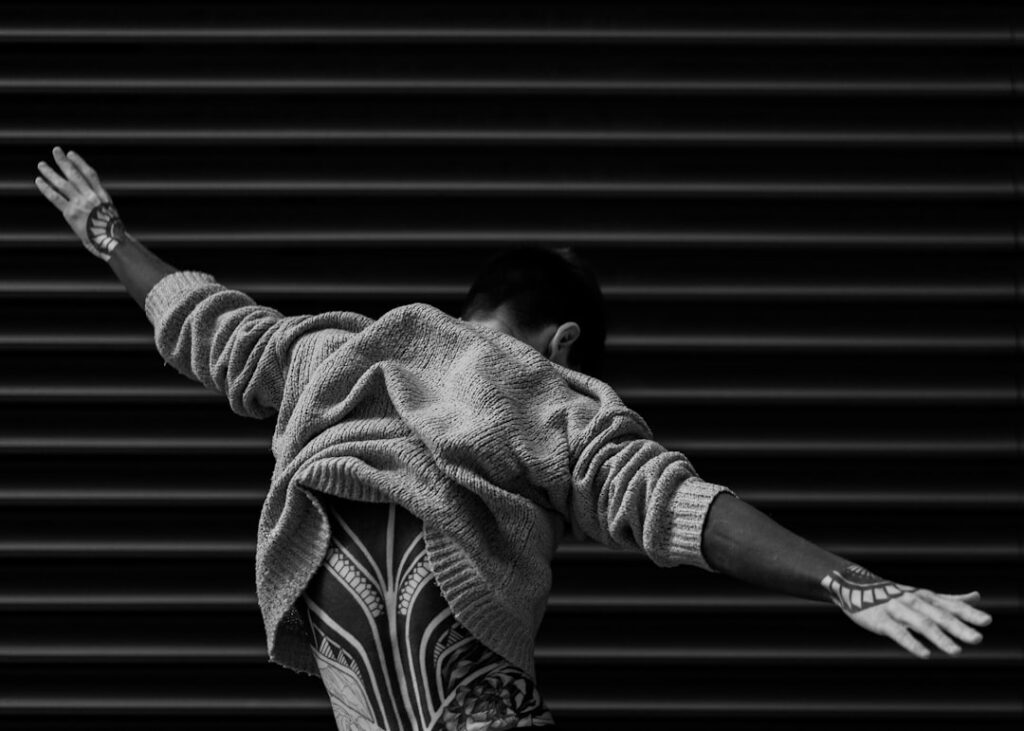
Streetwear, initially a subculture birthed from skateboarding and surf culture, has evolved into a global phenomenon, influencing high fashion and permeating everyday wardrobes. Mastering this aesthetic involves understanding its core tenets, building a foundational wardrobe, and learning to curate looks that speak to individual identity while respecting the genre’s heritage. This guide aims to provide a comprehensive overview of streetwear, offering insights and practical advice for those looking to refine their style.
Streetwear’s trajectory is not a random ascent but a deliberate evolution shaped by cultural shifts, artistic movements, and technological advancements. Its origins are deeply entwined with specific communities and their creative output.
Early Influences: Skateboarding and Surf Culture
The genesis of streetwear can be traced to the laid-back yet rebellious spirit of California’s surf and skate scenes in the 1970s and 1980s. Brands like Op, Hang Ten, and later Stüssy emerged, producing practical, comfortable apparel that resonated with the active lifestyles of these groups. T-shirts, boardshorts, and hooded sweatshirts became the canvas for self-expression, often featuring graphic designs reflecting the subcultures’ aesthetics. This period laid the groundwork for the emphasis on wearable art and brand identity that is central to streetwear today.
The Rise of Hip-Hop and Graffiti Culture
Concurrently, the burgeoning hip-hop scene in New York City became another powerful incubator for streetwear. The vibrant graffiti art movement and the rhythmic pulse of music influenced fashion choices, with artists and fans adopting bold graphics, oversized silhouettes, and sportswear, particularly from brands like Adidas and Nike. Tracksuits, sneakers, and branded caps became status symbols and markers of affiliation. The lyrical content of hip-hop often narratives of aspiration and social commentary, which found visual representation in the bold, statement-making nature of the clothing.
The Sneakerhead Phenomenon
The obsession with athletic footwear, particularly basketball shoes, became a significant driving force in streetwear’s development. Limited releases, collaborations with athletes and designers, and the concept of “collectible” sneakers transformed footwear from a functional item into a coveted commodity. This sub-culture fostered a sense of exclusivity and connoisseurship, where the provenance and rarity of a pair of sneakers could elevate an entire outfit. The resale market for sneakers further solidified their importance within the streetwear ecosystem.
Transition to High Fashion and Global Reach
In the late 20th and early 21st centuries, streetwear began to bridge the gap between the street and the runway. High-fashion designers took notice of the cultural significance and commercial appeal of streetwear aesthetics, leading to collaborations and collections that blended luxury materials with urban sensibilities. This cross-pollination democratized streetwear’s influence, making it accessible and desirable to a wider audience and solidifying its status as a legitimate and powerful force in the fashion industry.
Streetwear has become a significant cultural phenomenon, influencing fashion trends and lifestyle choices across the globe. For those interested in the marketing aspects of fashion, a related article discusses the importance of effective promotional materials in the context of event marketing. You can explore this topic further in the article about booklet printing services, which highlights how well-designed marketing tools can enhance the visibility of streetwear events and brands. Check it out here: Booklet Printing Services: A Must-Have for Successful Marketing of Event Programs.
Core Components of a Streetwear Wardrobe
Building a solid foundation is paramount to mastering streetwear. This involves acquiring versatile pieces that can be mixed and matched to create diverse looks. These are the bricks and mortar of any well-curated streetwear ensemble.
Essential Outerwear: The Statement Layer
Outerwear in streetwear serves a dual purpose: protection from the elements and a key stylistic element. The choice of jacket can dictate the entire tone of an outfit.
The Bomber Jacket: A Classic Reimagined
The bomber jacket, with its roots in military aviation, has become a perennial favorite in streetwear. Modern iterations often feature unique fabrications, embroidery, or patches that inject personality. Its clean lines and versatile silhouette make it suitable for layering over hoodies or T-shirts.
The Denim Jacket: Enduring Versatility
A staple for decades, the denim jacket offers unparalleled versatility. Whether a classic trucker style or an oversized, distressed version, it provides a rugged yet stylish layer. It can be worn buttoned up or open, and its durability ensures longevity.
The Coach Jacket: Light and Stylish
Lighter than a bomber, the coach jacket offers a more refined yet still casual option. Often featuring snap buttons and a nylon or polyester shell, it’s ideal for transitional weather and can be easily packed. Its simplicity makes it a good canvas for intricate graphic tees or shirts worn underneath.
The Hooded Sweatshirt (Hoodie): The Emblematic Piece
The hoodie is arguably the most iconic item in streetwear. Its comfort and ubiquity make it a foundational piece. Variations range from classic crewneck styles to oversized hoodies with elaborate graphics, custom drawsstrings, or unique pocket placements.
Bottoms: Balancing Comfort and Silhouette
The choice of lower-half garments is crucial for defining the overall silhouette and feel of a streetwear outfit. Comfort should not be sacrificed for style.
The Versatile Jean: From Slim to Baggy
Jeans are a streetwear constant. The spectrum ranges from slim-fit styles that offer a cleaner look to looser, relaxed, or even baggy fits that embody a more traditional streetwear silhouette. Ripped, distressed, or selvedge denim all offer distinct aesthetic qualities.
The Cargo Pant: Functionality Meets Fashion
Cargo pants, with their multiple pockets, offer practical utility and a distinct utilitarian aesthetic. Modern interpretations often feature tapered legs or different fabrications, such as ripstop or technical nylon, to elevate their look beyond purely functional wear.
The Jogger: Athleisure’s Dominance
Joggers have moved from the gym to the forefront of streetwear. Their tapered silhouette and comfortable jersey or fleece construction provide a contemporary and athletic feel. They excel when paired with sneakers and a well-chosen top.
The Shorts: Casual Warm-Weather Staples
For warmer climates or seasons, shorts are essential. From athletic shorts with retro branding to chino shorts or even denim shorts, they provide a comfortable and casual option. Length and fit play a significant role in their streetwear appeal.
Tops: The Canvas for Expression
T-shirts and shirts are the most visible elements of an outfit, offering a prime opportunity for personal expression and brand allegiance.
The Graphic T-Shirt: A Bold Statement
Graphic tees are a cornerstone of streetwear. They range from vintage band tees and retro sports logos to original artwork and abstract designs. The quality of the print and the overall design are key factors in their effectiveness.
The Plain T-Shirt: The Understated Foundation
A collection of well-fitting plain T-shirts in neutral colors (white, black, grey, navy) is indispensable. These serve as a perfect backdrop for more statement pieces, allowing them to shine without competition.
The Long-Sleeve T-Shirt: Layering Potential
Long-sleeve T-shirts offer additional layering opportunities, particularly in cooler weather. They can be worn on their own or peeking out from under a short-sleeve tee, a hoodie, or a jacket.
The Button-Up Shirt: From Casual to Smart Casual
Button-up shirts can offer a range of streetwear vibes. Flannel shirts, for instance, evoke a rugged, outdoorsy feel, while solid-colored or subtly patterned shirts in fabrics like linen or Oxford cotton can bridge the gap to smart casual.
Footwear: The Foundation of the Ensemble
Sneakers are more than just shoes in streetwear; they are often the focal point of an outfit, a collector’s item, and a declaration of personal taste.
The Iconic Sneaker: A Timeless Choice
Certain sneaker models have achieved legendary status within streetwear circles. These include silhouettes like the Air Jordan 1, the Adidas Stan Smith, the Nike Air Force 1, and various New Balance models. Owning a pair of these can instantly lend an authentic streetwear feel.
The Performance Sneaker: Contemporary Appeal
Running shoes and other performance-oriented sneakers have become increasingly popular in streetwear. Their innovative designs, advanced technology, and often bold colorways bring a modern, athletic edge to outfits.
The Boot: Adding an Edge
While sneakers dominate, boots also hold a place in streetwear. Combat boots, work boots, and Chelsea boots can provide a harder, more utilitarian edge to an ensemble, particularly when paired with looser-fitting bottoms.
Curating Your Streetwear Aesthetic
Beyond the individual pieces, mastering streetwear lies in how these components are assembled. This involves understanding proportion, color theory, and the art of expressing individuality.
The Art of Layering: Depth and Dimension
Layering is a fundamental technique in streetwear, adding visual interest and allowing for adaptability to changing temperatures. It’s a method of building an outfit like an artist builds a painting, adding successive strokes to create depth.
Strategic Placement of Garments
Consider the order in which garments are worn. A basic T-shirt forms the base, followed by a long-sleeve shirt, then a hoodie or sweater, and finally an outerwear piece. Each layer should be visible and contribute to the overall look.
Playing with Different Textures and Fabrics
Combining contrasting textures, such as smooth nylon with rough denim, or soft cotton with a technical shell, creates a more dynamic and sophisticated layered effect.
Mastering the “Dropping” Technique
This involves allowing the hem of an underlayer, such as a T-shirt, to extend below the hem of an overlayer, such as a hoodie or jacket. This creates a subtle, yet impactful, visual break and adds depth.
Color Palettes: From Muted to Vibrant
Streetwear color palettes can range from minimalist monochrome to bold, clashing hues. Understanding how to use color effectively is crucial for creating cohesive and impactful looks.
Monochrome and Neutral Tones: The Sophisticated Approach
A wardrobe dominated by black, white, grey, and navy offers a sophisticated and timeless streetwear foundation. This allows for easier mixing and matching and provides a sleek canvas for accessories or statement pieces.
Accent Colors and Bold Hues: Making a Statement
Incorporating pops of vibrant color through T-shirts, accessories, or even a statement jacket can inject energy and personality into an outfit. This involves understanding color theory and how different shades complement each other.
Pattern Mixing: A Bold Strategy
For the more adventurous, mixing patterns can be a powerful tool. This requires a discerning eye to ensure patterns do not clash but rather harmonize, creating a unique visual signature. Starting with subtle pattern combinations is often advisable.
The Importance of Fit: Beyond Size Labels
Fit is often more critical than the actual size tag. Streetwear embraces a variety of fits, from slim and tailored to loose and oversized, but each should be intentionally chosen and executed. A poorly fitting garment, regardless of its brand or quality, will detract from the overall aesthetic.
Relaxed and Oversized Silhouettes: The Streetwear Staple
Many streetwear looks rely on relaxed or oversized fits, particularly in hoodies, T-shirts, and trousers. This creates a comfortable and contemporary silhouette, but it must be done with intention to avoid appearing sloppy.
Tailored and Streamlined Fits: For a Modern Edge
Conversely, incorporating more tailored pieces, such as slim-fit jeans or a well-cut blazer over a streetwear base, can add a polished and modern edge, bridging the gap between casual and elevated.
Accessorizing: The Finishing Touches
Accessories are not an afterthought in streetwear; they are integral to completing the look. They serve as punctuation marks, adding personality and detail.
Headwear: Caps, Beanies, and Beyond
Headwear is a quintessential streetwear accessory. Baseball caps, beanies, bucket hats, and even more avant-garde head coverings can significantly alter the vibe of an outfit and shield one from the sun or prying eyes.
Bags: Functionality and Style
From minimalist cross-body bags and utilitarian backpacks to designer totes, bags in streetwear serve both practical and aesthetic purposes. They can add a pop of color or texture, or simply carry the essentials.
Jewelry and Eyewear: Personal Flourishes
Subtle jewelry, such as chains, bracelets, or rings, can add a personal touch. Similarly, sunglasses, whether classic aviators or contemporary, bold frames, can elevate a look and provide an element of mystique.
Building a Sustainable Streetwear Wardrobe
The longevity of streetwear is not just about enduring style; it’s also about conscious consumption. As the industry faces scrutiny for its environmental impact, building a sustainable wardrobe is becoming increasingly important.
Investing in Quality Over Quantity
Purchasing well-made garments from reputable brands, even if they are more expensive, can lead to a more sustainable wardrobe in the long run. High-quality pieces are more durable and resist wear and tear, reducing the need for frequent replacements.
The Power of Secondhand and Vintage
The resale market for streetwear is booming. Thrifting, exploring vintage stores, and utilizing online resale platforms can provide access to unique and often hard-to-find items at a fraction of the original cost, while also promoting a circular economy.
Caring for Your Garments
| Metric | Value | Notes |
|---|---|---|
| Global Market Size (2023) | 15 Billion | Estimated annual revenue |
| Annual Growth Rate | 8.5% | Compound annual growth rate (CAGR) |
| Top Age Demographic | 16-30 years | Primary consumers of streetwear |
| Popular Brands | Supreme, Off-White, Stüssy, BAPE | Leading streetwear brands globally |
| Average Price Range | 50 – 300 | Typical price range for streetwear items |
| Key Product Categories | T-shirts, Hoodies, Sneakers, Caps | Most sold streetwear items |
| Social Media Influence | High | Major platform for marketing and trends |
| Collaborations | Frequent | Common with artists, designers, and brands |
Proper garment care extends the lifespan of clothing. Following washing instructions, mending minor damages promptly, and storing items correctly can significantly reduce their impact and keep them looking their best.
Supporting Ethical and Sustainable Brands
A growing number of brands are prioritizing ethical production and sustainable materials. Researching and supporting these brands sends a message to the industry and contributes to a more responsible fashion future.
Streetwear has evolved into a cultural phenomenon that transcends mere fashion, influencing music, art, and lifestyle. As brands continue to innovate and push boundaries, understanding the importance of digital presence becomes crucial for success in this competitive market. A related article discusses the integral role of link building in modern SEO tactics, which can significantly enhance the visibility of streetwear brands online. For more insights on this topic, you can read the article here.
Mastering Trends and Staying Relevant
Streetwear is a genre that constantly evolves, influenced by emerging artists, digital culture, and global events. Staying current requires an awareness of these forces without sacrificing personal style.
Understanding Micro-Trends vs. Enduring Styles
Not all trends are created equal. It is important to discern between fleeting fads and styles with lasting appeal. Focusing on timeless silhouettes and adapting trends to your personal aesthetic is key to long-term relevance.
The Influence of Digital Culture and Social Media
Social media platforms, particularly Instagram and TikTok, have become crucial for discovering new trends, designers, and influencers in the streetwear space. Following relevant accounts and engaging with online communities can provide valuable insights.
The Role of Collaborations and Limited Editions
Collaborations between brands, artists, and designers are a hallmark of modern streetwear. These limited-edition releases often drive hype and set new aesthetic benchmarks, so staying informed about upcoming drops can be beneficial.
By understanding its history, building a versatile wardrobe, curating looks with intention, and remaining mindful of sustainability and evolving trends, one can truly master the art of streetwear. It is a dynamic and ever-changing landscape, but with a solid foundation and a discerning eye, it offers a powerful avenue for self-expression and cultural engagement.
FAQs
What is streetwear?
Streetwear is a style of casual clothing that emerged from urban culture, combining elements of skateboarding, hip-hop, and youth culture. It typically includes items like graphic t-shirts, hoodies, sneakers, and caps.
Where did streetwear originate?
Streetwear originated in the 1980s and 1990s in cities like New York and Los Angeles, influenced by skateboarding, hip-hop music, and punk fashion scenes.
What are some popular streetwear brands?
Popular streetwear brands include Supreme, Off-White, Stüssy, A Bathing Ape (BAPE), and Palace. These brands are known for their limited releases and collaborations.
How has streetwear influenced mainstream fashion?
Streetwear has significantly influenced mainstream fashion by introducing casual, comfortable styles and blending high fashion with urban culture. Many luxury brands now incorporate streetwear elements into their collections.
What role do sneakers play in streetwear culture?
Sneakers are a central element of streetwear culture, often serving as status symbols. Limited edition and collaboration sneakers are highly sought after and can be a key part of a streetwear outfit.