
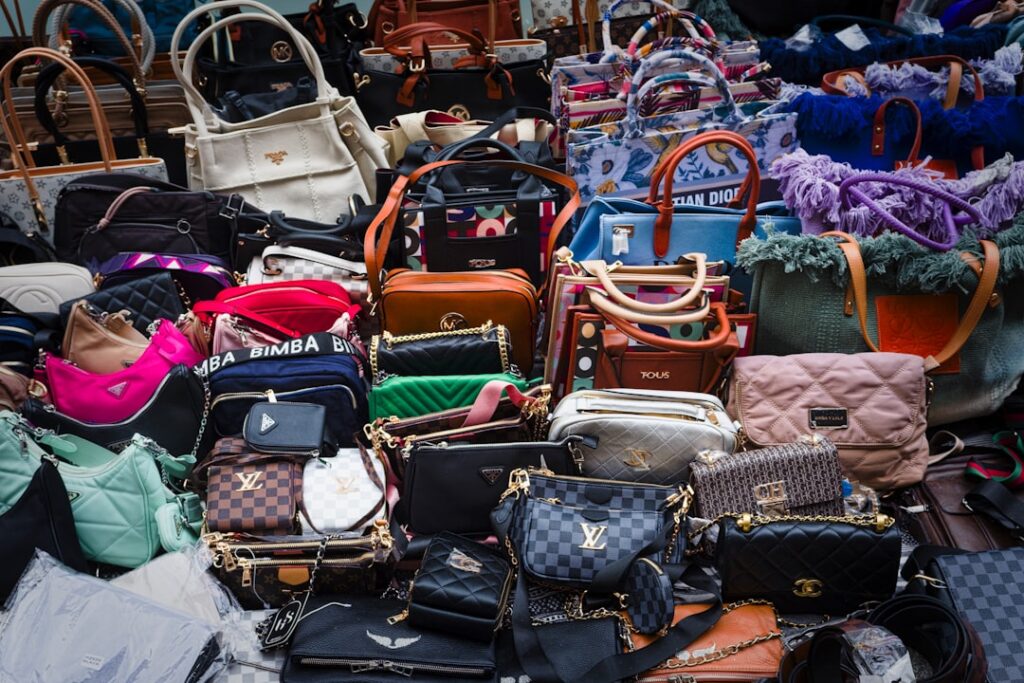
The world of handbags is a vast and intricate landscape, reflecting societal trends, economic shifts, and individual expressions of identity. For many, a handbag is not merely an accessory for carrying personal belongings; it is a statement piece, a functional necessity, and an investment. This guide aims to navigate this complex terrain, offering a comprehensive overview of stylish handbags, from their historical evolution to contemporary choices and care.
The handbag, as we understand it today, has a history far richer and more varied than its modern iteration might suggest. Its origins are rooted in practical necessity, evolving from rudimentary pouches to the sophisticated designs that dominate fashion runways.
Early Concealment and Utility: The Pouch Era
Prior to the widespread adoption of sewn pockets in clothing, the pouch served as the primary means of carrying personal items. These were typically made of leather, cloth, or woven materials and were often tied to the waist or belt. Their function was purely utilitarian, a simple container for coins, keys, or other small necessities. Even in ancient civilizations, decorative elements began to appear on these pouches, hinting at the nascent desire for both form and function.
The Renaissance and the Rise of Embellishment
As clothing styles became more elaborate during the Renaissance, so too did the accessories designed to complement them. Small, decorative bags, often made of silk or velvet and heavily embroidered, began to emerge. These were not intended for everyday use by the common person but were more akin to jewelry or status symbols for the aristocracy. Their intricate craftsmanship and precious materials underscored the wealth and social standing of their owners.
The Industrial Revolution and Mass Production
The advent of the Industrial Revolution in the 18th and 19th centuries marked a significant turning point in handbag production. Mechanization allowed for mass production, making handbags more accessible to a wider population. This period also saw the development of new materials and manufacturing techniques, leading to greater variety in styles and durability. The suitcase and the travel bag also saw significant development during this era, as improved transportation methods made travel more commonplace.
The 20th Century: The Golden Age of Designer Handbags
The 20th century witnessed the explosion of the handbag as a definitive fashion accessory. Designers began to imbue bags with their unique creative visions, transforming them into objects of desire. The rise of luxury houses like Hermès, Chanel, and Louis Vuitton established the handbag as a key component of a stylish wardrobe and a significant marker of personal taste and affluence. The development of new materials like plastic and synthetic leathers also expanded the possibilities for design and affordability.
When it comes to accessorizing, handbags play a crucial role in completing any outfit. The right handbag can elevate your look and provide functionality at the same time. For those interested in enhancing their fashion sense, you might find it helpful to explore the intricacies of choosing the perfect women’s dress for various occasions. This topic is beautifully covered in a related article that you can read here: The Art of Choosing the Perfect Women’s Dress for Every Occasion.
Classifying the Contemporary Handbag: A Taxonomy of Style and Function
The modern handbag market offers an overwhelming array of choices, each distinguished by its size, shape, material, and intended use. Understanding these categories is crucial for making informed decisions and curating a versatile collection.
Totes: The Versatile Workhorses
Totes are characterized by their open top and parallel handles, making them ideal for carrying a multitude of items. They are a popular choice for daily use, shopping, and as carry-on luggage.
The Classic Tote
Often made of durable leather or canvas, the classic tote is a straightforward and practical design. Its simplicity allows it to be dressed up or down, making it a foundational piece in any handbag collection.
The Structured Tote
These totes feature a more rigid construction, maintaining their shape even when empty. This structure provides a polished and professional appearance, making them suitable for the workplace. Side zippers or snap closures can add an extra layer of security.
The Slouchy Tote
In contrast, slouchy totes have a more relaxed and informal silhouette. They are typically made of softer materials like supple leather or suede, offering a casual yet chic aesthetic.
Shoulder Bags: The Everyday Elegance
Shoulder bags, as the name suggests, are designed to be carried on the shoulder with a single strap. They offer a balance of accessibility and security, making them a ubiquitous choice for daily wear.
The Hobo Bag
The hobo bag is instantly recognizable by its crescent shape and slouchy form. It typically features a single strap that can be worn over the shoulder. Its relaxed silhouette makes it a comfortable and stylish option for casual outings.
The Satchel
A satchel is a structured shoulder bag, often with a top handle as well. It typically features a flap closure and can range in size from medium to large. The satchel’s inherent structure lends it a sophisticated and business-appropriate appeal.
The Messenger Bag
Originally designed for postal carriers, the messenger bag is characterized by its cross-body strap and flap closure. It offers excellent security and comfort for longer wear, making it popular for students and commuters.
Crossbody Bags: The Ultimate in Convenience and Security
Crossbody bags are worn diagonally across the body with a long strap, keeping hands free and belongings secure. They are invaluable for travel, crowded events, and for those who prefer a minimalist approach to carrying their essentials.
The Mini Crossbody
These compact bags are designed to hold only the bare essentials, such as a phone, wallet, and keys. Their small size makes them incredibly lightweight and convenient for a night out or a quick errand.
The Camera Bag
Named for its resemblance to vintage camera cases, the crossbody camera bag is typically rectangular with a top zipper. Its structured interior often features compartments, making it ideal for organizing small items like cards, lip balm, and earbuds.
The Belt Bag (Fanny Pack)
Once relegated to the realm of practicality, the belt bag has experienced a significant fashion revival. Worn around the waist or across the chest, it offers hands-free convenience and can be a stylish statement piece.
Clutches and Evening Bags: The Epitome of Sophistication
Clutches are small, strapless bags designed to be held in the hand. Evening bags are a broader category encompassing small, elegant bags suitable for formal occasions, often featuring luxurious materials and embellishments.
The Envelope Clutch
This flat, rectangular clutch mimics the shape of an envelope and is often secured with a magnetic snap or a flap. Its minimalist design makes it versatile for both day and evening wear.
The Minaudière
A minaudière is a small, hard-cased evening clutch, often made of metal, enamel, or embellished with rhinestones or precious stones. It is a true piece of art, designed to be a statement accessory for formal events.
The Wristlet
A wristlet is a small clutch or pouch with a small loop or strap attached, designed to be worn around the wrist. It offers a slightly more secure way to carry a clutch than a traditional strapless option.
Materials Matter: The Foundation of a Handbag’s Appeal
The material from which a handbag is constructed significantly influences its durability, aesthetics, and price point. From classic leathers to innovative synthetics, each material offers a unique set of characteristics.
The Enduring Allure of Leather
Leather remains the quintessential material for handbags, prized for its durability, luxurious feel, and ability to age gracefully. Different types of leather offer distinct textures and finishes.
Full-Grain Leather
This is the highest quality leather, retaining all of its natural grain and imperfections. It is incredibly durable and develops a beautiful patina over time.
Top-Grain Leather
Similar to full-grain, but the outermost layer has been slightly buffed or sanded to remove imperfections. It is still very durable and softer than full-grain.
Saffiano Leather
Known for its distinctive cross-hatch pattern and wax coating, Saffiano leather is highly resistant to scratches and stains, making it exceptionally practical.
Pebbled Leather
Characterized by its textured, bumpy surface, pebbled leather is known for its resilience and ability to hide minor scuffs and scratches.
Patent Leather
This leather is treated with a high-gloss finish, giving it a shiny, reflective appearance. While visually striking, it can be prone to scratching and color transfer.
Beyond Leather: Other Notable Materials
While leather reigns supreme, a variety of other materials contribute to the diverse landscape of handbag design.
Canvas
Durable and lightweight, canvas is a popular choice for casual totes and backpacks. It is often treated to be water-resistant and can be easily printed with patterns.
Suede
Suede is a type of leather with a soft, napped surface. It offers a luxurious and tactile feel but is more delicate and susceptible to staining than other leathers.
Exotic Skins
Bags made from the skins of animals like snakes, crocodiles, or ostriches are considered high luxury items. These materials are rare and expensive, offering a distinctive and opulent aesthetic.
Vegan Leather (Faux Leather)
Advancements in synthetic materials have led to the development of high-quality vegan leathers that mimic the look and feel of genuine leather. These options provide a cruelty-free alternative without compromising on style.
Nylon and Polyester
These synthetic fabrics are known for their durability, water resistance, and affordability. They are commonly used for athletic bags, travel luggage, and casual backpacks.
Curating a Capsule Handbag Wardrobe: Building a Foundation of Versatility
For those seeking efficiency and style, the concept of a capsule wardrobe, applied to handbags, offers a practical approach. The goal is to select a few key pieces that can complement a wide range of outfits and suit various occasions.
The Essential Every Day Bag
This is the workhorse of your collection, a bag that can transition seamlessly from your morning commute to your evening social engagements.
The Structured Tote or Satchel
A medium to large structured tote or satchel in a neutral color like black, brown, or taupe is an ideal foundation. Its ability to hold essentials while maintaining a polished appearance makes it a versatile choice.
The Chic Crossbody
For lighter days or when you need to be particularly mobile, a stylish crossbody bag in a complementary neutral color or a subtle pop of color can serve the same purpose.
The Statement Piece
Every collection benefits from a bag that injects personality and flair into an outfit. This is where you can experiment with color, texture, or unique design elements.
A Bold Color Bag
A handbag in a vibrant hue like red, cobalt blue, or emerald green can instantly elevate a simple outfit. Consider this as a “shoe” for your purse – a way to add an unexpected element.
A Textured or Embellished Bag
A clutch with intricate beading, a shoulder bag with interesting hardware, or a tote in a unique material like faux fur can serve as your statement piece.
The Evening Companion
For formal events and nights out, a smaller, more elegant bag is required.
The Elegant Clutch or Minaudière
A small clutch in satin, metallic leather, or adorned with crystals is essential for formal occasions. A classic black or a metallic option will pair with most evening wear.
The Sophisticated Wristlet
For a slightly more secure and manageable option than a traditional clutch, a chic wristlet can also serve as an excellent evening bag.
The Functional Specialist
Depending on your lifestyle, you may also need a bag for specific purposes, such as travel or casual weekends.
The Weekend Travel Bag
A stylish duffel bag or a large tote is perfect for short trips. Consider a material that is both durable and easy to clean.
The Casual Backpack or Belt Bag
For hands-free convenience during outdoor activities or when running errands, a fashionable backpack or belt bag can be a practical addition.
Handbags have become essential accessories that not only serve practical purposes but also reflect personal style and status. For those interested in how lifestyle choices, including fashion, can impact overall well-being, you might find it intriguing to explore a related article on wellness travel. This piece discusses how vacations can enhance health and longevity, making it a fascinating read for anyone looking to combine style with self-care. To learn more about this emerging trend, check out the article on health and longevity vacations.
Caring for Your Investment: Preserving the Beauty and Longevity of Handbags
| Brand | Average Price | Material | Popular Style | Average Customer Rating | Yearly Sales (Units) |
|---|---|---|---|---|---|
| Louis Vuitton | 1500 | Leather | Monogram Canvas | 4.8 | 500000 |
| Gucci | 1200 | Leather | Marmont | 4.7 | 400000 |
| Chanel | 3500 | Leather | Classic Flap | 4.9 | 300000 |
| Michael Kors | 250 | Leather/Synthetic | Jet Set | 4.3 | 700000 |
| Kate Spade | 200 | Leather/Synthetic | Satchel | 4.4 | 600000 |
A handbag is an investment, and proper care is essential to maintain its beauty and extend its lifespan. Treating your handbag with respect is like tending to a fine piece of furniture; it requires attention and appropriate measures.
Regular Cleaning and Maintenance
The frequency and method of cleaning will depend on the material of your handbag.
Leather Bags
Wipe down leather bags regularly with a soft, dry cloth to remove dust and surface dirt. For deeper cleaning, use a leather cleaner specifically designed for the type of leather. Always test in an inconspicuous area first.
Suede Bags
Suede requires specialized care. Use a suede brush to lift the nap and remove surface dirt. For stains, consider a suede eraser or a specialized suede cleaner. Avoid water, as it can stain and damage suede.
Fabric Bags
Fabric bags can often be spot-cleaned with mild soap and water. For more thorough cleaning, check the care tag for specific instructions. Some fabric bags may be machine washable, but this is not universally recommended.
Proper Storage Techniques
The way you store your handbag can significantly impact its shape and condition when not in use.
Stuffing to Maintain Shape
Stuff handbags with acid-free tissue paper or bubble wrap to help them retain their shape. Avoid using newspaper, as the ink can transfer to the bag’s lining.
Protection from Sunlight and Moisture
Store handbags in a cool, dry place away from direct sunlight, which can cause fading and drying of materials. Avoid storing them in plastic bags, as this can trap moisture and lead to mildew.
Using Dust Bags
Most high-end handbags come with a dust bag. Use these to protect your bags from dust and scratches when stored.
Addressing Stains and Damage
Prompt action is key when dealing with stains or minor damage.
Prompt Stain Removal
Address spills and stains immediately. For most materials, a mild soap and water solution can be effective, but always proceed with caution and test in an inconspicuous area.
Professional Cleaning and Repair
For significant stains, tears, or hardware damage, consider seeking professional cleaning and repair services from a reputable specialist. They have the expertise and tools to address issues that may be beyond the scope of DIY solutions.
The handbag, a seemingly simple accessory, is a multifaceted object that weaves together practicality, artistry, and personal expression. By understanding its history, classifying its diverse forms, appreciating the nuances of its materials, and employing careful curation and maintenance, one can truly master the ultimate guide to stylish handbags.
FAQs
What are the different types of handbags?
There are several types of handbags, including totes, satchels, clutches, crossbody bags, shoulder bags, and backpacks. Each type varies in size, shape, and intended use.
What materials are commonly used to make handbags?
Handbags are commonly made from materials such as leather, faux leather, canvas, nylon, suede, and various synthetic fabrics. The choice of material affects the bag’s durability, appearance, and price.
How can I care for and maintain my handbag?
To care for a handbag, regularly clean it according to the material’s requirements, store it in a dust bag when not in use, avoid overloading it, and keep it away from direct sunlight and moisture to prevent damage.
What factors should I consider when choosing a handbag?
When choosing a handbag, consider factors such as size, style, material, functionality, occasion, and personal preference. It’s important to select a bag that suits your needs and complements your wardrobe.
Are designer handbags worth the investment?
Designer handbags often come with higher quality materials and craftsmanship, which can make them durable and stylish. They may also retain or increase in value over time. However, whether they are worth the investment depends on individual priorities and budget.