
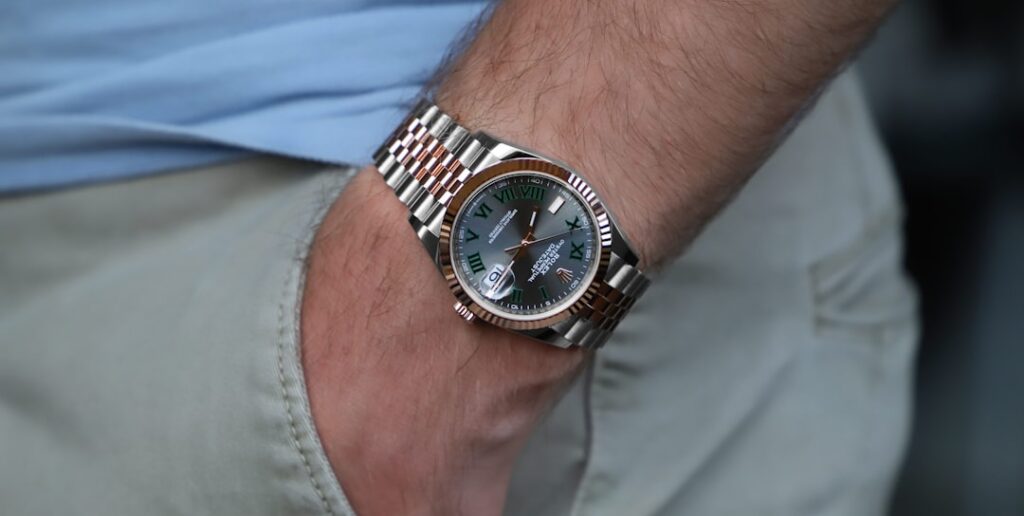
For centuries, luxury watches have transcended their primary function as timekeeping devices to become symbols of status, heritage, and meticulous craftsmanship. These miniature marvels of engineering, often incorporating rare materials and complex mechanisms, represent an intersection of art and science. This guide delves into the multifaceted world of luxury timepieces, providing a comprehensive overview for the discerning individual seeking to understand their enduring value.
Dissecting Horological Excellence: The Fundamentals of Luxury Watchmaking
Understanding the intrinsic value of a luxury watch begins with an appreciation for its fundamental components and the intricate processes involved in its creation. These are not mass-produced commodities; rather, they are the culmination of expert labor and refined techniques.
Movements: The Heartbeat of a Masterpiece
The “movement,” or caliber, is the engine of a watch, dictating its precision and functionality. There are three primary types of movements, each with distinct characteristics and historical significance.
Mechanical Movements: A Symphony of Gears and Springs
Mechanical movements are the traditional core of haute horlogerie. They operate without a battery, relying instead on a mainspring that stores and releases energy through a series of gears, levers, and escapements. The rhythmic ticking of a mechanical watch is a testament to its intricate, self-sustaining nature. These movements are further categorized into manual-wound and automatic (self-winding) variants.
- Manual-Wound Mechanical Movements: These require the wearer to manually turn the crown to wind the mainspring, typically every 24 to 48 hours. This direct interaction connects the owner to the watch, fostering a sense of stewardship. Many purists appreciate the ritual of winding as a daily communion with their timepiece.
- Automatic Mechanical Movements: These incorporate a rotor, an oscillating weight that rotates with the wearer’s arm movements, thereby automatically winding the mainspring. This eliminates the need for daily manual winding, offering convenience while retaining the mechanical integrity. The development of automatic movements marked a significant evolutionary step in watchmaking, making mechanical watches more practical for daily wear.
Quartz Movements: Precision Through Electromechanical Ingenuity
Quartz movements utilize a battery-powered electronic oscillator that vibrates a precisely cut quartz crystal at a consistent frequency. This oscillation is then converted into electrical pulses that drive a small stepping motor, moving the watch hands.
- Advantages of Quartz Movements: Quartz watches are renowned for their exceptional accuracy, durability, and affordability compared to their mechanical counterparts. Their robust nature makes them less susceptible to gravitational and temperature fluctuations.
- Historical Impact: The introduction of quartz technology in the 1970s, often referred to as the “quartz crisis,” significantly disrupted the traditional Swiss watch industry. While it democratized watch ownership and offered unparalleled precision, it also spurred a renewed appreciation for the artistry and heritage of mechanical watchmaking.
Hybrid Movements: Blending Tradition with Innovation
Some watches incorporate hybrid movements that marry elements of both mechanical and quartz technology. For example, Seiko’s Spring Drive movements combine a mainspring with an electronic regulator, offering the smooth sweeping second hand of a mechanical watch with the precision of quartz. These innovations represent a continuous quest for optimal performance and user experience.
Complications: Beyond Simple Timekeeping
While displaying hours, minutes, and seconds is the fundamental role of a watch, “complications” are additional functions that extend its utility and complexity. These functions often represent significant engineering challenges and contribute substantially to a watch’s value.
- Chronograph: A stopwatch function, allowing the wearer to measure elapsed time independently of the main time display. This often involves multiple sub-dials and pushers for starting, stopping, and resetting.
- Perpetual Calendar: A highly sophisticated mechanism that accurately accounts for varying month lengths and leap years, requiring adjustment only once every century (in non-leap years). This is a testament to the ingenuity of watchmakers in replicating astronomical cycles within a miniature device.
- Moon Phase: Displays the current phase of the moon as it appears in the night sky. This poetic complication adds an aesthetic and astronomical dimension to the timepiece.
- Tourbillon: A rotating cage assembly for the escapement and balance wheel, designed to counteract the effects of gravity on the watch’s accuracy in different positions. Invented by Abraham-Louis Breguet, the tourbillon is a hallmark of high horology and a demonstration of exceptional mechanical prowess.
- Minute Repeater: A striking mechanism that chimes the time on demand, typically with different tones for hours, quarter-hours, and minutes. This intricate auditory complication is among the most challenging to create, requiring precise tuning and assembly.
The Craft of Aesthetics: Design and Materials in Luxury Watches
Beyond the intricate mechanics, the visual appeal and tactile experience of a luxury watch are paramount. The choice of materials and the execution of design elements are crucial in establishing its enduring elegance.
Case Materials: A Canvas of Durability and Beauty
The case, which houses and protects the movement, is crafted from a variety of materials, each contributing to the watch’s character, weight, and price.
- Stainless Steel: The most common and versatile material, admired for its durability, corrosion resistance, and relative affordability. High-grade stainless steel (like 316L) offers excellent strength and a polished finish.
- Precious Metals: Gold (yellow, white, rose), platinum, and sometimes silver are used for their inherent value, luster, and prestige. These metals often signify a higher tier of luxury and contribute to the watch’s long-term investment potential. Each gold alloy offers a distinct hue, catering to different aesthetic preferences.
- Exotic Materials: Modern watchmaking incorporates materials like titanium, ceramic, carbon fiber, and even sapphire crystal for cases. These materials offer unique properties such as lightweight durability, scratch resistance, and often a distinctive, contemporary aesthetic. Their use often pushes the boundaries of traditional watchmaking, challenging established norms.
Dials and Hands: The Face of Individuality
The dial is the primary interface between the watch and the wearer, conveying information and serving as a canvas for artistic expression. Hands, which indicate time, are equally crucial for legibility and aesthetic coherence.
- Dial Finishes and Textures: Dials can feature an array of finishes, including sunburst patterns, matte surfaces, guilloché engraving (intricate, repetitive patterns), and enamel work. These textures catch light in different ways, adding depth and visual interest. The quality of a dial’s finish is a key indicator of a watch’s overall craftsmanship.
- Applied Indices and Numerals: Hour markers can be printed directly on the dial or consist of “applied” indices, which are separately manufactured and affixed. Applied markers, often faceted or luminescent, add a three-dimensional quality and a sense of refinement.
- Hand Styles: Watch hands come in numerous styles, such as dauphine, baton, alpha, sword, and leaf, each imparting a distinct character to the watch. The finish of the hands, whether polished, brushed, or blued, also plays a significant role in legibility and aesthetics. The perfect balance between proportion, legibility, and aesthetic appeal is a hallmark of excellent dial design.
Straps and Bracelets: Comfort and Complement
The strap or bracelet secures the watch to the wrist and significantly influences its wearability and overall appearance.
- Leather Straps: Popular for their comfort, elegance, and ability to conform to the wrist over time. Materials range from calfskin to exotic leathers like alligator, crocodile, and shell cordovan, each offering unique textures and aging characteristics. A well-chosen leather strap can transform the character of a watch, making it suitable for different occasions.
- Metal Bracelets: Often made from the same material as the case, metal bracelets offer durability and a robust aesthetic. Styles include oyster, jubilee, president, and mesh, each with distinct link structures and fastening mechanisms. The quality of a metal bracelet is often judged by its weight, solid linkages, and the smoothness of its articulation.
- Rubber and Fabric Straps: Increasingly popular for their comfort, water resistance, and sporty appeal. Rubber straps are ideal for dive watches and active lifestyles, while NATO or Zulu fabric straps offer military-inspired utility and a casual aesthetic.
The Pedigree of Timekeepers: Iconic Brands and Enduring Heritage
The story of luxury watches is intrinsically linked to the legendary brands that have shaped the industry. These houses have cultivated reputations built on innovation, tradition, and an unwavering commitment to excellence.
Pioneering Visionaries: A Legacy of Innovation
Certain brands stand as pillars of horological history, their names synonymous with landmark inventions and unwavering quality.
Rolex: The Crowned King of Practical Luxury
Founded in 1905, Rolex has arguably achieved the most widespread recognition in the luxury watch market. The brand is credited with numerous innovations, including the first waterproof wristwatch (Oyster case, 1926) and the first self-winding perpetual rotor mechanism.
- Key Models: The Submariner, Daytona, GMT-Master, and Datejust are instantly recognizable icons, each with a distinct narrative and enduring appeal. The Submariner, for instance, revolutionized diving watches, setting a standard for water resistance and legibility.
- Market Influence: Rolex’s consistent marketing, robust production, and strong resale value have solidified its position as a benchmark for luxury and investment. The perception of Rolex as a status symbol has contributed significantly to its global reach.
Patek Philippe: The Epitome of Grand Complications
Established in 1839, Patek Philippe is renowned for its ultra-high-end complications and exquisite finishing. The brand’s motto, “You never actually own a Patek Philippe. You merely look after it for the next generation,” encapsulates its philosophy of enduring value and heritage.
- Masterpieces of Complexity: Patek Philippe is revered for creating some of the world’s most complicated watches, including numerous grand complications featuring tourbillons, perpetual calendars, minute repeaters, and split-second chronographs. Their Ref. 5002 Sky Moon Tourbillon is an exemplar of their technical virtuosity.
- Investment Value: Due to limited production, exceptional craftsmanship, and historical significance, Patek Philippe watches often command significant prices at auction and are considered among the most liquid and valuable timepieces.
Audemars Piguet: The Revolution of Sport Chic
Founded in 1875, Audemars Piguet is one of the few luxury watch brands that remain family-owned. The brand carved out a unique niche with the introduction of the Royal Oak in 1972, a groundbreaking luxury sports watch in stainless steel.
- The Royal Oak’s Impact: Designed by Gérald Genta, the Royal Oak challenged conventional notions of luxury, proving that a high-end watch could be made from stainless steel and embrace a bold, integrated bracelet design. This model created the “luxury sports watch” category and remains an incredibly sought-after timepiece.
- Commitment to Craft: Audemars Piguet continues to be celebrated for its intricate finishing, particularly the hand-polished angles and bevels of its movements and cases, adhering to the highest standards of haute horlogerie.
Emerging Powerhouses and Niche Innovators: The Future of Horology
While the established giants hold court, smaller, independent brands and innovative newcomers are continuously pushing boundaries, offering unique perspectives and highly specialized craftsmanship.
F.P. Journe: Modern Independent Artistry
François-Paul Journe, a master watchmaker, founded his eponymous brand with a commitment to traditional 18th-century horological principles blended with contemporary design. His watches are characterized by innovative movements, often made of rose gold, and distinct aesthetic signatures.
- Distinctive Creations: Journe’s Chronomètre à Résonance, with its twin balance wheels beating in symbiosis, demonstrates his pursuit of highly precise and intellectually stimulating complications. Each watch is largely hand-finished and produced in extremely limited quantities.
- Collector’s Appeal: F.P. Journe watches are highly sought after by collectors who appreciate their unique mechanical solutions, uncompromising quality, and the direct connection to the independent master craftsman.
The Investment Landscape: Acquiring and Valuing Luxury Watches
For many, a luxury watch represents not only a personal indulgence but also a tangible asset. Understanding the factors that influence value and the nuances of the market is crucial for informed acquisition.
Factors Influencing Value: Beyond the Price Tag
The monetary value of a luxury watch is a complex interplay of several variables, extending beyond its initial retail price.
Rarity and Production Volume
Limited edition watches, historical pieces, or those from brands with inherently low production numbers often command higher values. Scarcity acts as a powerful catalyst for appreciation. For example, a watch produced for a very short period or in extremely limited quantities can become a sought-after collector’s item.
Condition and Authenticity
The physical condition of a watch, including its case, dial, movement, and original components, significantly impacts its value. “Original” condition, especially for vintage pieces, often outweighs extensive restoration. Documentation, such as original boxes, papers, and service records, further verifies authenticity and adds to a watch’s provenance. A watch with a documented history of ownership, particularly from a notable individual, can significantly enhance its value.
Brand and Model Popularity
Certain brands (e.g., Rolex, Patek Philippe, Audemars Piguet) and specific models within their collections exhibit strong and consistent demand, often leading to appreciation over time. The “hype” around a particular model can create artificial scarcity and increase market value, at least in the short term. However, enduring popularity is usually backed by consistent brand reputation and quality.
Historical Significance and Provenance
Watches with a documented history, having belonged to famous individuals, or those that played a role in significant historical events, can achieve extraordinary prices. These pieces transcend mere horology and enter the realm of cultural artifacts.
The Ecosystem of Acquisition: Where to Find Your Timeless Piece
The journey of acquiring a luxury watch can take various paths, each offering a distinct experience and set of considerations.
Authorized Dealers and Boutiques
Purchasing from an authorized dealer or a brand’s official boutique ensures authenticity, provides a full manufacturer’s warranty, and offers a personalized retail experience. This route is typically for new watches at their retail price. The interaction with knowledgeable staff and the assurance of a legitimate product are key advantages.
Gray Market and Online Retailers
The “gray market” consists of watches sold by un-authorized dealers, often at a discount. While potentially offering better prices, there is an increased risk of authenticity issues and limited or no manufacturer warranty. Reputable online platforms with strong verification processes can offer competitive pricing, but due diligence is paramount. When dealing with online retailers, always verify their return policy, authentication procedures, and customer reviews.
Auction Houses and Vintage Specialists
For vintage and rare pieces, auction houses (e.g., Christie’s, Sotheby’s, Phillips) and specialized vintage dealers are primary sources. These avenues provide access to unique and historically significant watches, often with extensive provenance research. However, prices at auction can be volatile, and a detailed understanding of the market is beneficial.
Preserving Perfection: Care and Maintenance of a Luxury Watch
A luxury watch is a precision instrument, and like any fine machine, it requires proper care and periodic maintenance to ensure its longevity and accuracy. This stewardship is part of the owner’s responsibility and preserves the watch for future generations.
The Imperative of Regular Servicing
Mechanical watches, in particular, are intricate assemblies of hundreds of tiny components operating in close proximity. Friction and wear are inevitable.
Service Intervals and Procedures
Manufacturers typically recommend servicing mechanical watches every 3 to 7 years, depending on the movement’s complexity and the watch’s usage. A full service involves disassembling the movement, cleaning every component, replacing worn parts, lubricating pivot points with specialized oils, regulating the balance wheel for accuracy, and often polishing the case and bracelet. Water resistance seals are also replaced to ensure the watch’s integrity.
Authorized Service Centers vs. Independent Watchmakers
For most luxury watches, especially those under warranty, using an authorized service center is recommended. They have access to genuine parts, specialized tools, and brand-specific training. Independent watchmakers, if highly skilled and reputable, can also provide excellent service, particularly for vintage movements where original parts may be scarce. Always verify an independent watchmaker’s credentials and experience with your specific watch brand.
Protecting Your Investment: Best Practices for Watch Care
Beyond professional servicing, daily habits contribute significantly to a watch’s preservation.
Avoiding Shocks and Magnetic Fields
Mechanical watches are sensitive to sudden impacts, which can damage delicate movement components. Dropping a watch can misalign parts or even break pivots. Strong magnetic fields (e.g., from speakers, tablets, or MRI machines) can magnetize the hairspring, causing a watch to run fast. It is advisable to keep mechanical watches away from such sources.
Water Resistance and Environmental Exposure
Even watches with water resistance ratings should be treated with caution. Gaskets can degrade over time, and a watch’s water resistance should be checked periodically, especially before exposure to water. Avoid exposing watches to extreme temperature fluctuations or harsh chemicals, which can damage seals, finishes, and strap materials. For watches with leather straps, direct water exposure should be minimized to prevent irreversible damage and deterioration.
Cleaning and Storage
Regularly wipe down your watch with a soft, clean cloth to remove dirt and oils. For waterproof watches, a gentle rinse with lukewarm water and mild soap can be used, followed by thorough drying. When not worn, store your watch in a cool, dry place, ideally in its original box or a watch winder (for automatic watches) to maintain its charge. Proper storage protects against dust, scratches, and accidental damage.
The world of luxury watches is a testament to human ingenuity, artistic expression, and the relentless pursuit of precision. Each timepiece carries within it centuries of tradition and innovation, offering more than just timekeeping—it offers a narrative, a legacy, and a connection to something truly timeless. By understanding the intricacies of their construction, the heritage of their creators, and the nuances of their care, one can truly appreciate these miniature masterpieces.
FAQs
What defines a luxury watch?
A luxury watch is typically characterized by high-quality materials, exceptional craftsmanship, precision engineering, and often a prestigious brand name. These watches often feature intricate mechanical movements, precious metals, and unique designs.
Which brands are considered top luxury watchmakers?
Some of the most renowned luxury watch brands include Rolex, Patek Philippe, Audemars Piguet, Omega, and Cartier. These brands are known for their heritage, innovation, and exclusivity.
Are luxury watches a good investment?
Luxury watches can be a good investment if they are rare, limited edition, or from highly sought-after brands. However, the value depends on market demand, condition, and provenance, so not all luxury watches appreciate over time.
What materials are commonly used in luxury watches?
Luxury watches often use materials such as stainless steel, gold (yellow, white, or rose), platinum, titanium, and sometimes ceramic or sapphire crystal for the watch face. High-end watches may also include diamonds or other precious stones.
How should luxury watches be maintained?
Luxury watches require regular maintenance, including cleaning, servicing the mechanical movement every few years, and proper storage to avoid damage. It is recommended to have servicing done by authorized service centers or experienced watchmakers.