
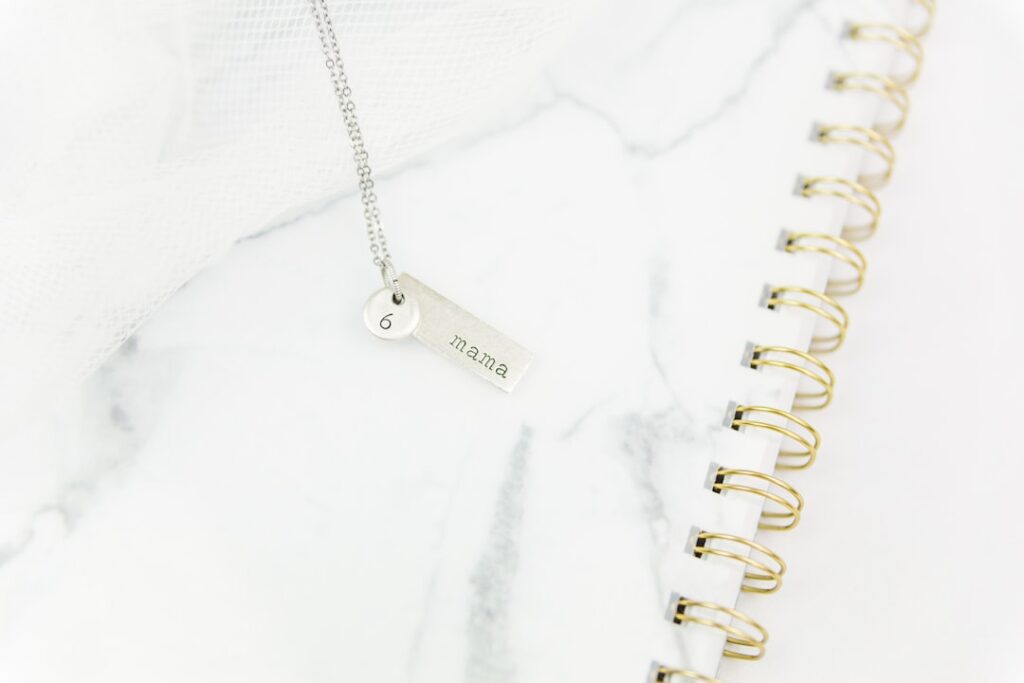
Silver jewelry, a timeless adornment, occupies a significant place in the annals of human civilization. Its enduring appeal stems from a unique combination of aesthetic versatility, historical significance, and inherent material properties. This article explores the multifaceted world of silver jewelry, delving into its characteristics, forms, historical journey, and practical considerations for its acquisition and maintenance.
Silver, a precious metal, possesses distinct characteristics that contribute to its desirability in jewelry creation. Its atomic number is 47, and its symbol is Ag, derived from the Latin word argentum. Silver’s natural luster and malleability allow for intricate designs and varied finishes, making it a favored medium for artisans throughout history.
Material Properties of Silver
Silver’s physical and chemical properties dictate its behavior in jewelry. Understanding these attributes is crucial for both consumers and creators.
Malleability and Ductility
Silver is renowned for its exceptional malleability and ductility. This means it can be hammered into thin sheets and drawn into fine wires without fracturing. These properties enable jewelers to craft delicate filigree work, intricate chains, and complex sculptural forms. This ease of manipulation has historically made it accessible for a wide range of designs, from bold statement pieces to understated accents.
Luster and Reflectivity
Pure silver exhibits a bright, white, metallic luster, reflecting approximately 95% of visible light. This high reflectivity gives silver jewelry its characteristic brilliance. However, this luster can tarnish over time due to exposure to sulfur compounds in the air, a process that forms silver sulfide. This tarnish, a dark layer on the surface, is a natural chemical reaction and can be cleaned.
Electrical and Thermal Conductivity
While less directly relevant to its aesthetic function, silver’s superior electrical and thermal conductivity are notable. These properties, while not impacting its visual appeal, underscore its general utility and importance in various industrial applications. In the context of jewelry, these properties are primarily a characteristic of the metal itself rather than a direct contributor to its wearer experience.
Alloys and Purity
Pure silver (99.9% fine silver) is relatively soft and prone to scratching and deformation. To enhance its durability and suitability for jewelry, it is typically alloyed with other metals, most commonly copper.
Sterling Silver
Sterling silver, the most prevalent alloy used in jewelry, consists of 92.5% silver and 7.5% other metals, usually copper. This 925 part per thousand purity is indicated by the “925” hallmark. The addition of copper increases the alloy’s hardness and strength, making it more resistant to wear while retaining much of silver’s aesthetic appeal.
Fine Silver
Fine silver, also known as pure silver, is 99.9% pure. While its purity means it is less prone to tarnish, its softness limits its use in items subjected to daily wear. It is often employed in delicate pieces or as a coating for other metals.
Brittania Silver
Brittania silver is a higher purity alloy than sterling silver, typically containing 95.84% silver. It offers a balance between the softness of fine silver and the added strength of sterling, often used for specific artistic pieces.
Silver jewelry has long been celebrated for its elegance and versatility, making it a popular choice for both casual and formal occasions. If you’re interested in exploring innovative design concepts, you might find the article on the rise of mobile office solutions particularly intriguing. It discusses how shipping containers are being reimagined to create functional workspaces, which parallels the creativity found in the world of jewelry design. To read more about this fascinating trend, visit this article.
A Tapestry of Time: Silver’s Historical Journey
Silver’s journey through history is interwoven with human civilization, reflecting evolving tastes, technological advancements, and cultural significance. Its use as an adornment dates back millennia, its presence marking significant eras and societal structures.
Ancient Origins and Early Adornment
Evidence suggests silver was mined as early as 3000 BCE in Anatolia. Ancient civilizations, including the Egyptians, Greeks, and Romans, utilized silver for coinage, ritualistic objects, and personal adornment. Its discovery and refinement paralleled the development of complex societies, often signifying status and wealth.
Egyptian and Mesopotamian Influence
In ancient Egypt, silver, though rarer than gold, was highly valued, often considered to possess lunar qualities. Mesopotamian cultures also employed silver extensively in jewelry, with intricate designs and metalworking techniques emerging from these regions. These early pieces often depicted deities, animals, and geometric patterns, reflecting a keen understanding of both metallurgy and aesthetics.
Greek and Roman Silverware
The Greeks and Romans developed sophisticated silver mining and crafting techniques. Roman silverware, in particular, demonstrated advanced artistry, with elaborate serving dishes, decorative vessels, and intricate jewelry pieces gracing the elite. Silver played a role in ceremonial functions and served as a tangible expression of power and prestige.
Medieval Europe and the Renaissance
During the Middle Ages, silver continued to be a favored material, particularly for ecclesiastical objects and royal regalia. The Renaissance witnessed a resurgence in artistic expression, and silver jewelers produced increasingly elaborate and refined pieces, often incorporating gemstones and enamelwork.
Guilds and Craftsmanship
The rise of craft guilds during the medieval period standardized silver production and fostered specialized skills. Jewelers and silversmiths held respected positions, passing down their knowledge through apprenticeships. This system ensured a consistent quality and innovation in silver craftsmanship.
The Age of Exploration and Silver Influx
The Age of Exploration brought a massive influx of silver from the New World to Europe, particularly from the mines of Potosí in Bolivia and Mexico. This abundance led to a wider availability of silver and a flourishing of silver artistry, impacting trade routes and global economies.
Modern Eras and Contemporary Trends
The Industrial Revolution introduced new production methods, making silver jewelry more accessible to a broader population. The 20th and 21st centuries have seen a diversification of styles, with silver adapting to fluid trends and individual preferences.
Art Nouveau and Art Deco
The Art Nouveau movement at the turn of the 20th century embraced organic forms and fluid lines, with silver jewelry often featuring natural motifs like flowers and insects. Art Deco, conversely, favored geometric patterns, bold lines, and a more streamlined aesthetic, which silver complimented with its clean finish.
Contemporary Design
Today, silver jewelry continues to evolve. Designers experiment with new techniques, materials, and forms, reflecting a globalized aesthetic. From minimalist designs to intricate, artisanal creations, silver remains a versatile canvas for artistic expression.
Adorning the Self: Styles and Expressions
Silver jewelry, in its myriad forms, allows for diverse expressions of personal style. It functions as a sartorial punctuation mark, capable of transforming an ensemble or amplifying an individual’s unique aesthetic. The breadth of designs caters to every taste, from understated elegance to bold declaration.
Rings: Circles of Significance
Rings, perhaps the most universally recognized form of jewelry, hold profound symbolic meaning. Silver rings encompass a spectrum of designs, from simple bands to elaborate cocktail rings, each communicating a different message.
Wedding and Engagement Rings
While gold is traditional, silver is increasingly chosen for wedding and engagement rings, particularly for its affordability and contemporary appeal. These rings often feature diamonds or other gemstones, symbolizing enduring commitment.
Fashion Rings
Fashion rings in silver offer boundless creative possibilities. They can be stacked for a bohemian look, worn individually as statement pieces, or designed with intricate patterns and textures. The versatility of silver allows for a wide array of stylistic interpretations.
Promise Rings
Promise rings, often simpler in design, signify a pledge or commitment between individuals. Silver, with its muted luster, lends itself well to the understated elegance often associated with these meaningful tokens.
Necklaces: Framing the Persona
Necklaces, worn close to the heart or as a prominent visual element, draw attention to the décolletage and face. Silver necklaces range from delicate chains to ornate pendants, each design offering a distinct narrative.
Pendant Necklaces
Pendant necklaces feature a central ornamental piece suspended from a chain. Silver pendants can incorporate gemstones, intricate metalwork, or symbolic motifs. They serve as focal points, reflecting the wearer’s interests or beliefs.
Chokers and Collars
Chokers sit snugly around the neck, while collars are wider and more substantial. Silver chokers can be minimalist or highly decorative, often featuring intertwined elements or clustered gemstones. These styles make a confident fashion statement.
Layered Necklaces
The trend of layering necklaces involves wearing multiple chains of varying lengths and styles. Silver’s neutral tone allows for seamless integration of different textures and designs, creating a dynamic and personalized look.
Earrings: Whispers and Proclamations
Earrings frame the face, adding sparkle and defining contours. Silver earrings offer an extensive array of styles, from subtle studs to dramatic chandeliers, each designed to complement or contrast with a wearer’s features.
Studs and Hoops
Silver studs are a classic choice, offering understated elegance for everyday wear. Hoops, varying in size from petite to oversized, provide a versatile option that can be both casual and sophisticated.
Dangle and Chandelier Earrings
Dangle earrings feature elements that hang below the earlobe, while chandelier earrings are more elaborate, multi-tiered designs. Silver allows for intricate detailing in these styles, often incorporating filigree or small gemstones to catch the light.
Climbers and Cuffs
Ear climbers ascend the earlobe, creating a unique and modern aesthetic. Ear cuffs adorn the outer edge of the ear, often without requiring a piercing. Silver’s malleability makes it ideal for these innovative and stylish designs.
Bracelets: Wrist Adornment
Bracelets encircle the wrist, acting as a dynamic accessory that moves with the wearer. Silver bracelets offer a spectrum of styles, from slender bangles to substantial cuffs, each contributing to a distinct personal narrative.
Bangles and Cuffs
Silver bangles are rigid bracelets, often worn in multiples for a jingly effect. Cuffs are wider, open-ended bracelets that make more of a statement. These designs can be smooth and polished or highly textured and engraved.
Chain Bracelets
Chain bracelets consist of interconnected links, offering flexibility and comfort. Silver chains can be delicate and understated or bold and chunky, often featuring charms or small embellishments.
Charm Bracelets
Charm bracelets allow for personalization, with individual charms representing significant memories, interests, or milestones. Silver provides a beautiful backdrop for these cherished talismans.
Sustaining the Shine: Care and Maintenance
To ensure the longevity and brilliance of silver jewelry, proper care and maintenance are essential. Silver, while durable, is susceptible to tarnishing and scratching if not handled correctly. Diligence in its upkeep preserves its aesthetic appeal and intrinsic value.
Preventing Tarnish
Tarnish, a natural oxidation process, is the primary adversary of silver jewelry. It occurs when silver reacts with sulfur compounds in the air or comes into contact with certain chemicals. Proactive measures can significantly mitigate its occurrence.
Storage Practices
Proper storage is paramount. Store silver jewelry in airtight bags or containers when not in use. Flannel pouches or anti-tarnish strips can also absorb sulfur and slow down the tarnishing process. Avoid storing silver with other metals, particularly those that may scratch its surface.
Avoiding Chemical Exposure
Chemicals found in everyday products can accelerate tarnishing or damage silver. These include household cleaning agents, perfumes, lotions, hairsprays, and chlorine from swimming pools. It is advisable to put on silver jewelry after applying cosmetics and to remove it before engaging in chores or swimming.
Regular Wear
Believe it or not, regular wear can help prevent tarnish. The natural oils from your skin can create a protective barrier against environmental tarnishing. However, it is important to remember the caveat about chemical exposure mentioned above.
Cleaning Techniques
Despite preventative measures, tarnish is often inevitable. Fortunately, various cleaning methods can restore silver’s luster. It is important to use appropriate techniques to avoid scratching or damaging the jewelry.
Gentle Polishing
For light tarnish, a soft polishing cloth specifically designed for silver is usually sufficient. These cloths are often impregnated with a mild cleaning agent. Gently wipe the surface of the jewelry, avoiding excessive rubbing.
Silver Cleaning Solutions
For heavier tarnish, specialized silver cleaning solutions can be effective. Follow the manufacturer’s instructions carefully. Many solutions involve dipping the jewelry for a brief period. Always rinse the jewelry thoroughly with clean water and dry it with a soft cloth after using a cleaning solution.
Home Remedies (with Caution)
Some home remedies, such as a paste of baking soda and water or a solution of baking soda, salt, aluminum foil, and hot water, can remove tarnish. However, these methods should be used with caution, as abrasive substances can scratch the silver, and some solutions may be too aggressive for delicate pieces or those with gemstones. Always test on an inconspicuous area first.
When it comes to accessorizing with silver jewelry, understanding how to mix and match your outfits can elevate your style significantly. A great resource for mastering this skill is an article that offers tips on creating stylish combinations. You can explore these insights in detail by checking out this helpful guide on how to mix and match outfits like a pro. By incorporating silver pieces thoughtfully, you can enhance your overall look while showcasing your personal flair.
The Confluence of Value: Investing in Silver
| Metric | Value | Unit | Notes |
|---|---|---|---|
| Purity | 92.5 | % | Standard for Sterling Silver |
| Average Weight | 15 | grams | Typical for rings and small pendants |
| Price per Gram | 0.80 | currency units | Market average for raw silver |
| Common Alloy Metals | Copper, Zinc | Elements | Used to increase strength and durability |
| Melting Point | 961.8 | °C | Pure silver melting temperature |
| Typical Tarnish Time | 1-3 | Weeks | Depends on exposure to air and sulfur |
| Market Growth Rate | 5 | % per year | Estimated annual growth in silver jewelry sales |
Beyond its aesthetic appeal, silver jewelry holds intrinsic value as a precious metal. Understanding its market dynamics and hallmarks contributes to informed acquisition and appreciation of its worth both as an adornment and an asset.
Understanding Hallmarks
Hallmarks are official marks stamped on precious metal items, indicating their purity and origin. For silver jewelry, the “925” mark for sterling silver is the most common. These marks serve as a guarantee of quality and origin.
Purity Marks
The purity mark indicates the fineness of the silver. As discussed, “925” signifies sterling silver (92.5% pure), while “999” denotes fine silver (99.9% pure). Other marks, such as a lion passant in the UK, also confirm the sterling standard.
Maker’s Mark and Assay Office Mark
In addition to purity, hallmarks often include a “maker’s mark” (identifying the manufacturer or artisan) and an “assay office mark” (indicating where the metal was tested and stamped). These marks provide a historical record and attest to the authenticity and provenance of the piece.
Market Value and Investment Potential
While silver jewelry is primarily purchased for its aesthetic and personal value, silver as a commodity also has a market value driven by supply and demand.
Precious Metal Spot Price
The “spot price” of silver refers to its current market price per troy ounce. This price fluctuates based on global economic conditions, industrial demand, and investment sentiment. While unlikely to achieve the rapid appreciation of some other investments, silver holds inherent value as a tangible asset.
Craftsmanship and Design
The value of silver jewelry is not solely tied to the weight of its silver content. Exceptional craftsmanship, unique designs, historical significance, and the inclusion of gemstones can significantly enhance a piece’s value. An artisan-crafted piece with intricate detailing often commands a higher price than a mass-produced item of similar silver weight.
Heirloom Potential
Well-maintained silver jewelry can serve as an heirloom, passed down through generations. Its enduring beauty and the sentimental value associated with specific pieces can transcend monetary calculations, making it a truly valuable possession.
In conclusion, silver jewelry is more than just an accessory; it is a testament to human artistry, a conduit for personal expression, and a tangible link to history. Its inherent beauty, coupled with its versatility and enduring allure, ensures its continued prominence in the realm of adornment. By understanding its properties, history, and care requirements, you, the discerning wearer, can truly appreciate and sustain the stunning shine of your silver treasures.
FAQs
What is silver jewelry made of?
Silver jewelry is typically made from sterling silver, which is an alloy consisting of 92.5% pure silver and 7.5% other metals, usually copper. This combination enhances durability while maintaining the appearance of pure silver.
How can I care for and clean silver jewelry?
To care for silver jewelry, store it in a cool, dry place away from direct sunlight and moisture. Clean it regularly using a soft cloth or a silver polishing cloth. For deeper cleaning, use mild soap and water or specialized silver cleaning solutions, avoiding harsh chemicals.
Is silver jewelry hypoallergenic?
Sterling silver is generally considered hypoallergenic, but some people may experience reactions due to the other metals in the alloy, such as copper or nickel. If you have sensitive skin, look for jewelry labeled as nickel-free or made from pure silver.
Does silver jewelry tarnish over time?
Yes, silver jewelry can tarnish when exposed to air, moisture, and certain chemicals. Tarnishing appears as a darkening or discoloration on the surface. Regular cleaning and proper storage can help minimize tarnishing.
What are the common types of silver jewelry?
Common types of silver jewelry include rings, necklaces, bracelets, earrings, and pendants. Silver is also used in intricate designs such as filigree, engraved pieces, and combined with gemstones for decorative effects.