
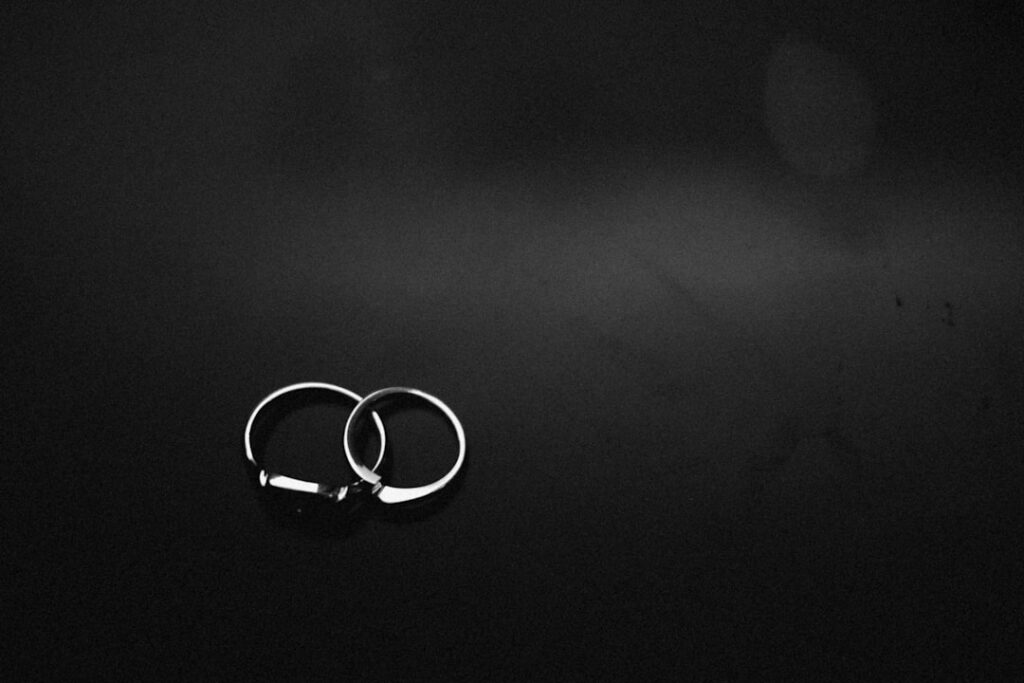
The selection of an engagement ring is a nuanced and significant decision for many couples, emblematic of a forthcoming commitment and the conjoining of two lives. This guide aims to demystify the process, offering a comprehensive framework for navigating the myriad choices involved. By adopting a structured approach, couples can make informed decisions that reflect their individual preferences, financial considerations, and enduring values.
At the core of most engagement ring selections lies the diamond, its characteristics often dictating both aesthetic appeal and financial outlay. The Gemological Institute of America (GIA) established the “4Cs” – Cut, Color, Clarity, and Carat Weight – as a universally recognized standard for evaluating diamonds. Comprehending these attributes is paramount to making an educated choice.
Cut: The Brilliance Enabler
The cut of a diamond is perhaps the most crucial of the 4Cs, directly influencing its brilliance, fire, and scintillation. It refers not to the diamond’s shape (e.g., round, princess, oval) but to the precision of its facets, their angles, proportions, symmetry, and polish. A well-cut diamond acts as a prism, capturing and reflecting light with maximum efficiency, leading to a dazzling display. Conversely, a poorly cut diamond will appear dull or lifeless, regardless of its other qualities.
- Brilliance: The total white light reflected from the diamond.
- Fire: The dispersion of light into the colors of the spectrum.
- Scintillation: The flashes of light and dark, or sparkle, seen when the diamond is moved.
Reputable gemological laboratories, such as the GIA and the American Gem Society (AGS), issue grading reports that detail a diamond’s cut quality, typically on a scale from Excellent/Ideal to Poor. Prioritizing cut often yields the most visually impactful result, even when compromising slightly on other Cs.
Color: The Absence of Hue
Diamond color refers to the absence of color in white diamonds, with a grading scale ranging from D (colorless) to Z (light yellow or brown). The less color a diamond possesses, the rarer and generally more valuable it is. However, the discernibility of color is subjective and can vary depending on the individual’s perception and the viewing environment.
- D-F (Colorless): Diamonds in this range are truly colorless and incredibly rare, commanding premium prices.
- G-J (Near Colorless): These diamonds appear colorless to the untrained eye, especially when mounted in a white gold or platinum setting. They offer excellent value.
- K-M (Faint Color): A slight yellow tint is discernible, which can be less noticeable in yellow gold settings.
- N-R (Very Light Color): More pronounced yellow or brown hues are visible.
- S-Z (Light Color): Distinct yellow or brown tints are evident.
For many couples, a diamond in the G-J range provides an optimal balance between visual appeal and cost-effectiveness. The subtle presence of color can also be effectively camouflaged by the setting metal.
Clarity: The Fingerprint of Nature
Clarity refers to the presence or absence of inclusions (internal characteristics) and blemishes (external characteristics). These are often microscopic and are a natural consequence of the diamond’s formation under intense heat and pressure. The GIA clarity scale ranges from Flawless (FL) to Included (I).
- FL (Flawless): No inclusions or blemishes visible under 10x magnification. Extremely rare.
- IF (Internally Flawless): No inclusions, only minor blemishes visible under 10x magnification.
- VVS1, VVS2 (Very, Very Slightly Included): Inclusions are extremely difficult to see under 10x magnification.
- VS1, VS2 (Very Slightly Included): Inclusions are difficult to see under 10x magnification.
- SI1, SI2 (Slightly Included): Inclusions are noticeable under 10x magnification and may be visible to the naked eye.
- I1, I2, I3 (Included): Inclusions are obvious under 10x magnification and typically visible to the naked eye, potentially affecting transparency and durability.
When selecting a diamond, the goal is often an “eye-clean” stone, meaning no inclusions are visible to the naked eye without magnification. Diamonds in the VS1 to SI2 range frequently offer this characteristic, providing excellent value without compromising visual appeal. The type, size, position, and number of inclusions all contribute to the clarity grade.
Carat Weight: The Measure of Size
Carat weight is the standard unit of measurement for a diamond’s weight, with one carat equivalent to 200 milligrams. It is often mistakenly equated with size; however, two diamonds of the same carat weight can appear differently sized depending on their cut and shape. While a higher carat weight generally translates to a larger diamond and a higher price, prioritizing carat weight over cut can result in a stone that appears smaller or less brilliant than its weight suggests.
- Psychological Carat Weights: Certain carat weights (e.g., 0.50 ct, 0.75 ct, 1.00 ct) often see price jumps. Opting for a slightly lower weight (e.g., 0.90 ct instead of 1.00 ct) can yield substantial savings with minimal visual difference.
- Surface Area vs. Depth: A shallow-cut diamond may have a larger surface area (appear larger) but lack brilliance due to light leakage. A deeper-cut diamond may appear smaller for its weight but exhibit superior brilliance.
It is crucial to consider carat weight in conjunction with the other 3Cs. A smaller, well-cut diamond with excellent color and clarity can often outshine a larger, poorly cut diamond.
When considering the perfect engagement ring, it’s essential to think about not only the design and quality but also the financial implications of such a significant purchase. For those looking to make wise investments, you might find it interesting to explore related financial opportunities. Check out this article on affordable land investments and learn how to spot the next big opportunity in real estate. You can read more about it here: Affordable Land Investments: How to Spot the Next Big Opportunity.
Exploring Diamond Shapes and Setting Styles
Beyond the 4Cs, the aesthetic appeal of an engagement ring is significantly influenced by the diamond’s shape and the chosen setting style. These elements define the ring’s overall character, dictating its elegance, modernity, or classic charm.
Diamond Shapes: A Symphony of Forms
While the round brilliant cut remains the most popular choice due to its unparalleled brilliance, a diverse array of other shapes, known as “fancy shapes,” offers unique visual characteristics. Each shape possesses distinct qualities that can complement different hand types and personal styles.
- Round Brilliant: The quintessential engagement ring diamond, celebrated for its maximum brilliance and timeless appeal. Its symmetrical design allows for optimal light performance.
- Princess: A modern, square or rectangular shape with sharp, uncropped corners, offering excellent brilliance and a contemporary aesthetic.
- Oval: An elongated, elegant shape that can make fingers appear longer and more slender. It offers brilliance similar to a round cut.
- Cushion: A romantic shape with rounded corners and larger facets, creating a “pillowy” appearance and often exhibiting excellent fire.
- Emerald: A sophisticated, rectangular step-cut with parallel facets, known for its “hall of mirrors” effect and understated elegance. It emphasizes clarity.
- Asscher: A square step-cut, similar to the emerald cut but with larger facets and a distinct X-pattern when viewed from above.
- Marquise: An elongated, boat-shaped diamond with pointed ends, maximizing perceived size and creating a lengthening effect on the finger.
- Pear: A unique teardrop shape, combining the brilliance of a round cut with the elongated elegance of a marquise.
- Radiant: A rectangular or square shape with trimmed corners, featuring a brilliant faceting pattern that offers exceptional sparkle.
The choice of diamond shape is intensely personal. Couples should consider what flatters the wearer’s hand and aligns with their individual style preferences.
Setting Styles: The Ring’s Architectural Embrace
The setting is the metal structure that holds the diamond and forms the body of the ring. It plays a pivotal role in the ring’s overall design, protecting the stone while enhancing its beauty. Different setting styles offer varying levels of security, light exposure, and aesthetic appeal.
- Solitaire: The classic and most popular setting, featuring a single center diamond held by prongs. It allows maximum light exposure, emphasizing the diamond’s brilliance.
- Pave: Tiny diamonds are set closely together along the band, creating a surface that appears “paved” with diamonds. This adds extra sparkle and can make the center stone appear larger.
- Halo: A circle of smaller diamonds surrounds the center stone, enhancing its visual size and brilliance. Halo settings are highly popular for their dramatic effect.
- Channel: Diamonds are set within a channel in the metal band, creating a smooth and secure line of sparkle. This style offers excellent protection for smaller accent stones.
- Bezel: The metal rim completely encircles the center diamond, offering superior protection and a sleek, modern aesthetic. It can make the diamond appear slightly smaller but is highly durable.
- Tension: The diamond is held in place by the pressure of the metal band, creating the illusion that it is floating. This is a bold, contemporary choice that requires exceptional craftsmanship.
- Three-Stone: Features a larger center diamond flanked by two smaller diamonds, symbolizing the past, present, and future of the relationship.
The selection of a setting style should consider both aesthetic preference and practicality. A very active individual, for instance, might prefer a more protective setting like a bezel or channel, whereas someone prioritizing maximum sparkle might gravitate towards a solitaire or halo.
Metallurgical Choices and Ethical Sourcing
Beyond the diamond and its setting, the metal chosen for the band contributes significantly to the ring’s appearance, durability, and cost. Simultaneously, the ethical implications of diamond sourcing have become increasingly important for conscientious consumers.
Precious Metals: A Spectrum of Durability and Luster
The choice of metal is a long-term decision, influencing the ring’s longevity and requiring considerations such as skin sensitivity and lifestyle.
- Platinum: A naturally white, dense, and hypoallergenic metal renowned for its durability and resistance to tarnish. Its inherent strength makes it an excellent choice for securing diamonds. Platinum does not wear away but rather moves or displaces over time, maintaining its weight.
- White Gold: An alloy of yellow gold with white metals (e.g., palladium, nickel), typically plated with rhodium to achieve a bright white finish. While more affordable than platinum, the rhodium plating requires reapplication every few years to maintain its luster. Some individuals may also have nickel allergies.
- Yellow Gold: The classic and traditional choice, renowned for its warm hue. Available in various purities (10K, 14K, 18K), with 18K gold offering a richer color and higher purity but being softer than 14K.
- Rose Gold: An alloy of yellow gold with copper, creating a distinctive pinkish hue. Rose gold offers a vintage-inspired aesthetic and is growing in popularity. Its unique color complements various skin tones.
Each metal possesses distinct characteristics that should inform the couple’s decision. For instance, individuals with very active lifestyles might prefer the resilience of platinum, while those seeking a timeless look might gravitate towards yellow gold.
Ethical Sourcing: The Conscience of Commitment
The “blood diamond” controversy brought to light the ethical complexities of diamond mining and trade. Today, many reputable jewelers strongly advocate for and adhere to ethical sourcing practices, ensuring that diamonds are conflict-free and mined responsibly.
- Kimberley Process Certification Scheme (KPCS): An international certification scheme that aims to prevent the flow of conflict diamonds into the legitimate trade. Diamonds accompanied by KPCS certificates are guaranteed to be conflict-free.
- Responsible Jewelry Council (RJC): An organization that promotes ethical, social, and environmental practices throughout the jewelry supply chain.
- Lab-Grown Diamonds: An increasingly popular alternative, lab-grown diamonds are chemically, physically, and optically identical to mined diamonds but are created in a controlled laboratory environment. They offer an ethical and often more affordable option.
- Recycled Diamonds/Vintage Rings: Choosing a recycled diamond or an antique engagement ring is another environmentally conscious option, reducing the demand for newly mined materials.
Couples should feel empowered to inquire about a jeweler’s sourcing policies and ask for documentation, such as GIA or AGS reports, which guarantee the diamond’s authenticity and often include origin information. Transparency in sourcing is a hallmark of ethical practice.
Budgeting and Customization: Tailoring the Dream
The financial aspect of engagement ring selection is a practical consideration that requires open communication between partners. Understanding that the perfect ring need not break the bank, couples can explore various options to align their desires with their budget.
Establishing a Realistic Budget
The traditional guideline of spending “two months’ salary” on an engagement ring is increasingly considered outdated and prescriptive. A more pragmatic approach involves establishing a budget that is comfortable and sustainable for both individuals, taking into account current financial obligations and future goals.
- Prioritization: Determine which of the 4Cs, diamond shape, or setting style holds the most importance. This allows for strategic allocation of funds. For example, prioritizing cut over color can yield a more brilliant stone within a given budget.
- Compromise (Intelligent): Be open to intelligent compromises. A slightly lower clarity grade (e.g., eye-clean SI1) or a near-colorless diamond (G-J) can offer significant savings without a noticeable visual difference to the naked eye.
- Payment Plans and Financing: Many jewelers offer financing options or payment plans. It is crucial to understand the terms and interest rates associated with these options.
The engagement ring is a symbol of commitment, not an indicator of financial prowess. The most meaningful ring is one chosen with thoughtful consideration and within a comfortable financial framework.
The Art of Customization: Personalizing the Symbol
For couples seeking a truly unique expression of their love, customization offers an opportunity to craft a ring that is distinctively theirs. This can range from subtle modifications to a complete bespoke design.
- Personal Touches: Incorporate sentimental elements such as engraving a special date or message, using birthstones as side accents, or selecting a diamond shape that holds personal significance.
- Setting Modifications: Adjusting prong styles, adding milgrain detailing, or combining elements from different setting styles can personalize a standard design.
- Bespoke Design: Working with a skilled jeweler, couples can conceptualize and create a ring from scratch. This process involves design consultations, 3D renderings, and wax models to ensure the final product perfectly matches the vision.
Customization allows the ring to serve as a deeply personal artifact, a one-of-a-kind representation of a couple’s unique story. While potentially adding to the cost, the enduring sentimentality of a custom-designed ring often outweighs the financial investment.
When exploring the world of engagement rings, it’s fascinating to consider how modern technology influences various industries, including jewelry design. For instance, advancements in materials and manufacturing techniques have transformed the way engagement rings are crafted, making them more accessible and customizable than ever before. If you’re interested in learning about how cutting-edge platforms are revolutionizing other fields, you might find this article on drug development quite enlightening. You can read it here.
Insuring and Caring for Your Engagement Ring
| Metric | Value | Unit | Description |
|---|---|---|---|
| Average Carat Weight | 1.2 | carats | Typical size of the diamond in an engagement ring |
| Average Price | 6000 | USD | Average cost of an engagement ring in the US |
| Popular Metal Types | Platinum, White Gold, Yellow Gold | n/a | Common metals used for engagement ring bands |
| Most Popular Diamond Shape | Round Brilliant | n/a | Most chosen diamond cut for engagement rings |
| Average Ring Size | 6.5 | US ring size | Typical ring size for engagement rings |
| Percentage of Rings with Side Stones | 35 | % | Proportion of engagement rings featuring side stones |
| Average Clarity Grade | VS2 | n/a | Common clarity grade for diamonds in engagement rings |
| Average Color Grade | G | n/a | Typical color grade for diamonds in engagement rings |
Once the perfect engagement ring has been chosen and presented, its care and protection become paramount. An engagement ring is not merely a piece of jewelry; it is a significant investment and a symbol of profound emotional value.
Protecting Your Investment: The Importance of Insurance
Engagement ring insurance safeguards against various unforeseen circumstances, offering peace of mind. Without insurance, the loss, theft, or damage of the ring can result in considerable financial and emotional distress.
- Coverage Options: Insurance policies typically cover theft, mysterious disappearance, damage, and sometimes even loss. It is crucial to understand the specifics of what your policy covers.
- Appraisal: Most insurance providers require an official appraisal of the ring, detailing its characteristics, value, and any unique features. An updated appraisal should be obtained every few years to reflect market fluctuations.
- Policy Types: Rings can often be added as a rider to an existing homeowner’s or renter’s insurance policy, or a standalone policy can be purchased from a specialized jewelry insurer. Standalone policies often offer broader coverage and lower deductibles.
Investing in insurance is a pragmatic decision that protects a valuable asset and ensures that the symbolic significance of the ring remains untarnished by misfortune.
Maintaining Brilliance: Regular Care and Cleaning
Regular care and periodic professional cleaning are essential to maintain the engagement ring’s brilliance and structural integrity. Diamonds, while durable, can become dulled by oils, lotions, and everyday grime.
- At-Home Cleaning: A simple solution of warm water and mild dish soap can be used with a soft brush to gently clean the diamond and setting. Rinse thoroughly and dry with a lint-free cloth.
- Professional Cleaning and Inspection: It is advisable to have the ring professionally cleaned and inspected by a jeweler at least once a year. Jewelers can check for loose prongs, signs of wear, and perform expert cleaning that at-home methods cannot achieve.
- Avoid Harsh Chemicals: Bleach, chlorine, and abrasive cleaners can damage the metal or dull the diamond. Remove the ring when engaging in activities such as cleaning, gardening, or strenuous exercise.
- Safe Storage: When not being worn, store the ring in a soft cloth pouch or a fabric-lined jewelry box to prevent scratching from other jewelry.
By adhering to these care guidelines, the engagement ring will continue to sparkle as brightly as the commitment it represents, a constant reminder of enduring love.
The journey of selecting an engagement ring is a multifaceted endeavor, bridging aesthetic desires with practical considerations. By systematically considering the 4Cs, exploring various shapes and settings, making informed metallurgical and ethical choices, adhering to a realistic budget, and prioritizing ongoing care, couples can confidently navigate this significant purchase. The resulting ring will not merely be a piece of jewelry but a cherished emblem of their unique bond, a tangible representation of a future sculpted together.
FAQs
What is the traditional metal used for engagement rings?
The traditional metal used for engagement rings is gold, often in yellow, white, or rose variations. Platinum is also a popular choice due to its durability and hypoallergenic properties.
What is the significance of the diamond in an engagement ring?
Diamonds symbolize eternal love and strength, which is why they are commonly used in engagement rings. Their hardness and brilliance make them a lasting representation of commitment.
How is the value of a diamond engagement ring determined?
The value of a diamond engagement ring is primarily determined by the “Four Cs”: Carat weight, Cut, Color, and Clarity. These factors influence the diamond’s appearance and rarity.
Are there alternative gemstones used in engagement rings?
Yes, many people choose alternative gemstones such as sapphires, emeralds, or rubies for their engagement rings. These stones can offer unique colors and personal significance.
What are common styles of engagement ring settings?
Common engagement ring settings include solitaire, halo, three-stone, and pavé. Each style affects the ring’s appearance and how the gemstone is showcased.