
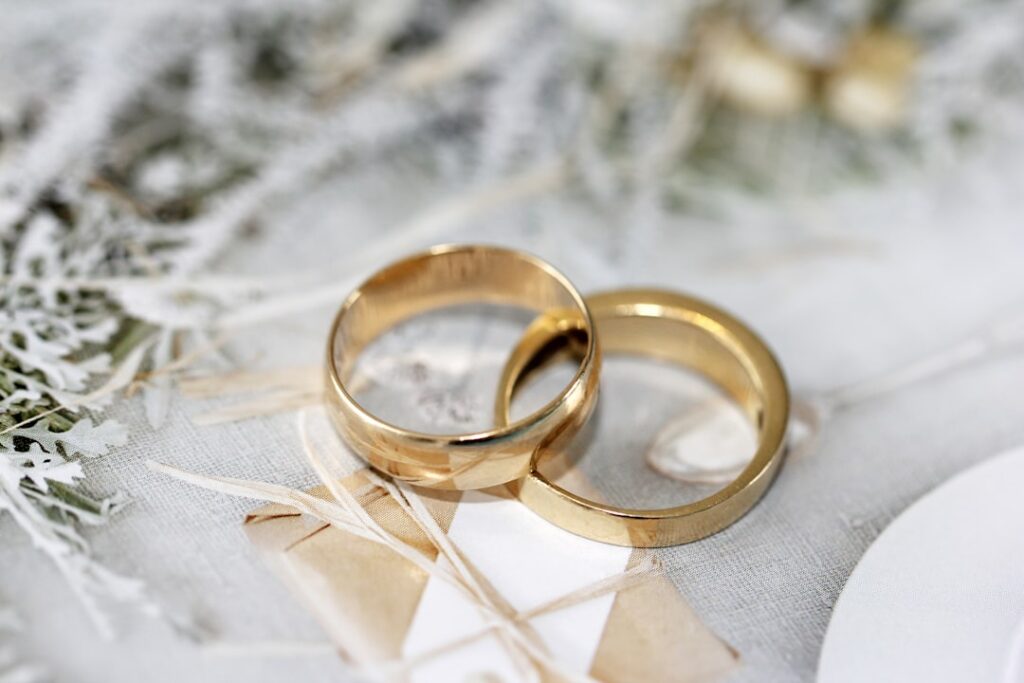
From the humble beginnings of string and sinew to the glittering masterpieces of precious metals and gemstones, the ring has served as a constant, tangible thread woven through the tapestry of human history. More than mere ornament, this circular artefact has carried profound meaning, signifying status, commitment, protection, and remembrance across millennia and diverse cultures. To understand the ring is to gain a glimpse into the evolving social, spiritual, and artistic values of humanity.
The earliest verifiable evidence of rings, in a form recognisable to modern observers, dates back several millennia. Their initial purpose was primarily practical, with spiritual and symbolic connotations developing alongside their functionality.
Rings as Tools and Talismans
Initially, rings were not solely decorative. Evidence from archaeological sites suggests their use as tools or attachments. For instance, some early rings, fashioned from materials like bone, stone, or even plant matter, may have been used to secure garments or serve as a primitive form of currency or trade good.
Beyond the purely utilitarian, the protective qualities of rings quickly became paramount. In societies grappling with an often-unpredictable world, talismans and amulets were essential safeguards against illness, misfortune, and malevolent spirits. Rings, worn prominently on the hand, were ideal vessels for such protection. The circular form itself, without beginning or end, was perceived as a symbol of eternity and completeness, offering an unbroken shield to the wearer. Early Celtic and Germanic cultures, for example, frequently incorporated runic inscriptions or symbols of deities into their rings, believing these would ward off evil and bestow good fortune.
Egyptian Scarab Rings
Ancient Egypt provides some of the most compelling early examples of rings as both practical objects and powerful symbols. The scarab beetle, revered as a manifestation of the sun god Khepri and associated with rebirth and regeneration, was a pervasive motif.
- Materials: Early Egyptian scarab rings were often carved from steatite, a soft mineral, and glazed in vibrant blues and greens. Later, more opulent versions employed lapis lazuli, carnelian, and even gold.
- Hieroglyphic Inscriptions: The flat underside of a scarab ring was frequently engraved with hieroglyphic inscriptions, ranging from royal names and titles to prayers, blessings, or protective spells. These served as seals, used to impress marks onto clay or wax, verifying documents or securing possessions. This dual function, as both adornment and seal of authority, highlights their significance.
- Symbolic Significance: Beyond their practical application as seals, scarab rings were potent symbols of life, renewal, and protection in the afterlife. They were often included in funerary rites, placed on mummies to ensure safe passage to the world beyond.
In exploring the intricate world of financial industry dispute resolution, one can draw parallels to the complexities found in the realm of Rings, where both subjects involve navigating multifaceted systems and resolving conflicts. For a deeper understanding of how disputes are managed within the financial sector, you can read the article on this topic at Deconstructing the Process of Financial Industry Dispute Resolution. This article provides valuable insights that can enhance your comprehension of the mechanisms at play in both fields.
Rings in Classical Antiquity
The Greek and Roman civilisations further developed the symbolism and craftsmanship of rings, introducing new materials and expanding their social implications.
Greek Rings and Mithraic Mysteries
In ancient Greece, rings often depicted deities, mythological figures, or scenes from epic poems. They were worn by both men and women, signifying social status and personal devotion.
- Gemstone Engravings: Greeks were skilled engravers, and many rings featured intricate intaglios (incised designs) or cameos (raised designs) on gemstones. These would often depict patrons’ favourite gods, personal symbols, or portraits.
- Mithraic Rings: Of particular interest are the rings associated with the Mithraic mysteries, a popular Roman cult that originated in Persia. These rings often featured the image of Mithras slaying the bull, a central iconographic element of the cult. Such rings served as identifiers for initiates and symbols of their allegiance to the deity and the communal rituals.
Roman Rings and the Anulus Sponsalicius
The Romans embraced rings with particular zeal, expanding their symbolism to encompass legal contracts, social status, and, crucially, betrothal. The sheer volume and variety of Roman rings attest to their ubiquitous presence.
- Signet Rings (Anulus Signatorius): The Roman signet ring was a fundamental tool for establishing authenticity. Every citizen of standing would possess one, bearing a unique motif – perhaps a family crest, a portrait of an ancestor, or a personal symbol. This ring was used to seal letters, legal documents, and official decrees, effectively serving as a signatory’s identity. The loss or theft of a signet ring could have serious consequences, as it meant compromise of one’s identity and authority.
- **Betrothal Rings (Anulus Sponsalicius):** It is in Roman culture that we find the most significant precursor to the modern engagement ring. The anulus sponsalicius, or betrothal ring, was exchanged as a symbol of an upcoming marriage. Initially, these were often simple iron rings, signifying strength and permanence, and were not necessarily worn by the woman alone. The iron ring indicated a legally binding agreement, often transferred along with a dowry. Over time, gold became more prevalent, especially among the wealthy. This tradition laid the foundational symbolism of rings as tokens of commitment and marital intention.
- Symbolism of Affection (Fede Rings): The fede ring, depicting two hands clasped in trust or agreement, also emerged in Roman times. This motif, symbolising loyalty and friendship, would see resurgence and adaptation in later centuries, particularly during the medieval period.
Medieval and Renaissance Developments
The medieval period saw rings continue their multifaceted roles, with new religious and social significances emerging. The Renaissance, in turn, ushered in an era of unparalleled artistry and symbolic complexity.
Ecclesiastical Rings
The powerful influence of the Church during the Middle Ages meant that rings became intertwined with ecclesiastical authority and religious devotion.
- Episcopal Rings: Bishops, upon their consecration, received an episcopal ring, typically bearing an amethyst (symbolising purity and piety) or a sapphire (symbolising heavenly grace). This ring was worn on the fourth finger of the right hand and served as a symbol of their office, their spiritual marriage to the Church, and their pastoral authority. These rings often contained a seal, again linking authority with the object.
- Fisherman’s Ring (Papal Ring): Perhaps the most famous ecclesiastical ring is the Fisherman’s Ring, worn by the Pope. Since the 13th century, this ring has depicted Saint Peter fishing from a boat and bears the reigning Pope’s name. It functions as a signet ring for official documents, particularly papal briefs, and is ceremonially destroyed upon the death or resignation of a Pope, underscoring the transition of authority.
Posy Rings and Acrostic Rings
During the late medieval and Renaissance periods, the romantic and sentimental aspects of rings began to flourish, leading to the rise of distinctly personalised forms.
- Posy Rings: These rings, often made of gold, were engraved with short poetic inscriptions, or “posies,” on their inner or outer surfaces. The inscriptions typically expressed sentiments of love, friendship, or loyalty. “Love me and leave me not,” “My heart you hold,” or “United in love” are examples of common posies. They were popular as wedding bands, betrothal tokens, or gifts between lovers and friends, offering a subtle, intimate message known only to the wearer and giver.
- Acrostic Rings: Emerging in the 17th and 18th centuries, acrostic rings used gemstones whose first letters spelled out a word, usually a name or a sentiment. For example, a ring might feature a Lapis Lazuli, an Opal, a Veined Quartz, and an Emerald to spell “LOVE.” These rings demanded both intricate craftsmanship and a profound understanding of gemstone symbolism, making them highly prized and personal gifts.
The Evolution of the Wedding and Engagement Ring
While betrothal rings existed in antiquity, the specific traditions surrounding the engagement and wedding ring as we know them today largely solidified in more recent centuries.
The Diamond Engagement Ring
The enduring symbolism of the diamond engagement ring is largely a product of a concerted marketing effort, though its roots extend back to a significant historical precedent.
- Archduke Maximilian and Mary of Burgundy (1477): This event is often cited as the first recorded instance of a diamond engagement ring being given. Archduke Maximilian of Austria presented Mary of Burgundy with a ring set with diamonds arranged in an ‘M’ initial. This royal precedent elevated the diamond to a symbol of marital intent among the European aristocracy.
- Victorian Era and Sentimentalism: The Victorian era, with its emphasis on sentimentality and elaborate symbolism, saw an increase in the popularity of engagement rings. While various gemstones were used, the growing availability of diamonds from South Africa began to establish them as a desirable, albeit still exclusive, option.
- De Beers Campaign (“A Diamond Is Forever”): The true popularisation of the diamond engagement ring, however, came in the mid-20th century, driven by an incredibly successful advertising campaign launched by the De Beers cartel in the late 1930s. The slogan “A Diamond Is Forever” linked the stone’s enduring hardness and brilliance to the eternal nature of marital love and commitment. This campaign effectively cemented the diamond’s status as the quintessential gemstone for engagement, transforming it from a luxury item to a perceived marital necessity in many Western cultures.
Wedding Bands and Their Symbolism
The wedding band, exchanged during the marriage ceremony, holds deep and universal symbolism.
- The Unbroken Circle: The continuous, unbroken circle of the wedding band is its primary and most potent symbol. It represents endless love, enduring commitment, and the eternal nature of the marital bond, without beginning or end.
- The Fourth Finger (Ring Finger): The tradition of wearing the wedding ring on the fourth finger of the left hand is often attributed to the ancient Egyptian belief in the vena amoris, or “vein of love,” which was thought to run directly from this finger to the heart. While anatomically incorrect, the romantic notion has persisted through centuries and cultures, endowing this particular finger with special significance.
- Material and Inscriptions: Traditionally, wedding bands were simple gold bands, valuing the precious metal’s purity and resistance to tarnish. Modern bands incorporate a range of metals and sometimes feature subtle inscriptions on the interior, carrying on the tradition of the posy ring, though often with more contemporary sentiments or dates.
In the realm of jewelry, the significance of rings often extends beyond mere adornment, symbolizing love, commitment, and personal style. To ensure that unique designs and concepts are safeguarded, it’s crucial for designers and creators to understand the importance of protecting their intellectual property. For insights on this vital topic, you can explore a related article that outlines essential steps for safeguarding your creations in the digital age. For more information, visit this article.
Contemporary Rings and Future Interpretations
| Ring Type | Material | Average Diameter (mm) | Weight (grams) | Common Use |
|---|---|---|---|---|
| Wedding Ring | Gold, Platinum | 16-22 | 3-7 | Symbol of marriage |
| Engagement Ring | Gold, Platinum, Silver | 15-20 | 2-6 | Proposal and commitment |
| Signet Ring | Gold, Silver | 18-23 | 5-10 | Family crest or seal |
| Class Ring | Gold, Silver, Stainless Steel | 17-22 | 4-8 | School or university graduation |
| Spinner Ring | Silver, Stainless Steel | 16-21 | 3-6 | Stress relief and fashion |
In the modern era, rings continue to evolve, reflecting changing social norms, technological advancements, and individual expressions of identity.
Fashion, Personal Expression, and Statement Rings
Beyond their traditional roles, rings have become potent instruments of personal style and self-expression.
- Statement Rings: These are often large, boldly designed rings, frequently featuring unusual gemstones, intricate metalwork, or unconventional forms. They are chosen not for their traditional symbolism but for their aesthetic impact, their ability to convey a sense of individual flair, and to draw attention.
- Stackable Rings: A popular contemporary trend involves wearing multiple, often slender, rings on a single finger or across several fingers. This allows for mixing and matching, creating unique combinations that can be changed to suit different moods or outfits.
- Ethical Sourcing and Sustainability: Increasingly, consumers are concerned with the provenance of the materials used in their jewellery. This has led to a growing demand for ethically sourced gemstones and recycled metals, reflecting a broader societal shift towards conscious consumption.
Commemorative and Memorial Rings
Rings continue to serve as powerful reminders of people, events, and milestones.
- Class Rings and Graduation Rings: These rings commemorate academic achievements, signifying membership in a particular graduating class or institution. Often bearing the school’s crest, year of graduation, and other symbolic elements, they serve as tangible mementos of a significant life stage and membership in an enduring community.
- Memorial Jewellery: While not exclusively rings, memorial jewellery, which might incorporate a small amount of cremated remains or a lock of hair within a ring, offers a discreet yet profound way to keep loved ones close. These pieces are deeply personal and provide comfort and remembrance for those who grieve.
- Championship Rings: In the realm of sports, championship rings are highly coveted symbols of team achievement and individual contribution. Each ring is custom-designed for the specific event, often bearing the team’s logo, year, and typically incorporating diamonds or other gemstones to reflect the magnitude of the accomplishment.
In conclusion, the history of rings is a miniature chronicle of human civilisation itself. From the protective talismans of antiquity to the legal seals of Rome, the ecclesiastical symbols of the Middle Ages, and the romantic tokens of the modern era, rings have perpetually adapted and absorbed new layers of meaning. They are enduring artefacts, silent witnesses to countless vows, allegiances, celebrations, and sorrows, continuing to encircle our fingers as potent symbols of who we are, what we value, and our enduring connections to one another. Despite their small size, their narrative scope is immense, encapsulating the profound human desire for identity, connection, and lasting remembrance.
FAQs
What materials are commonly used to make rings?
Rings are commonly made from materials such as gold, silver, platinum, titanium, stainless steel, and various gemstones. Each material offers different durability, appearance, and price points.
What are the different types of rings?
There are several types of rings including engagement rings, wedding bands, promise rings, fashion rings, and class rings. Each type serves a different purpose and often has unique design elements.
How do I determine the correct ring size?
Ring size can be determined by measuring the circumference or diameter of the finger where the ring will be worn. Jewelers often use a ring sizer tool, or you can measure an existing ring that fits well.
What is the significance of a wedding ring?
A wedding ring symbolizes commitment and love between partners. It is traditionally worn on the fourth finger of the left hand, believed to have a vein directly connected to the heart.
How should I care for and clean my rings?
To care for rings, avoid exposure to harsh chemicals and remove them during activities that may cause damage. Cleaning can be done with mild soap and warm water, using a soft brush to remove dirt. For valuable rings, professional cleaning is recommended.