
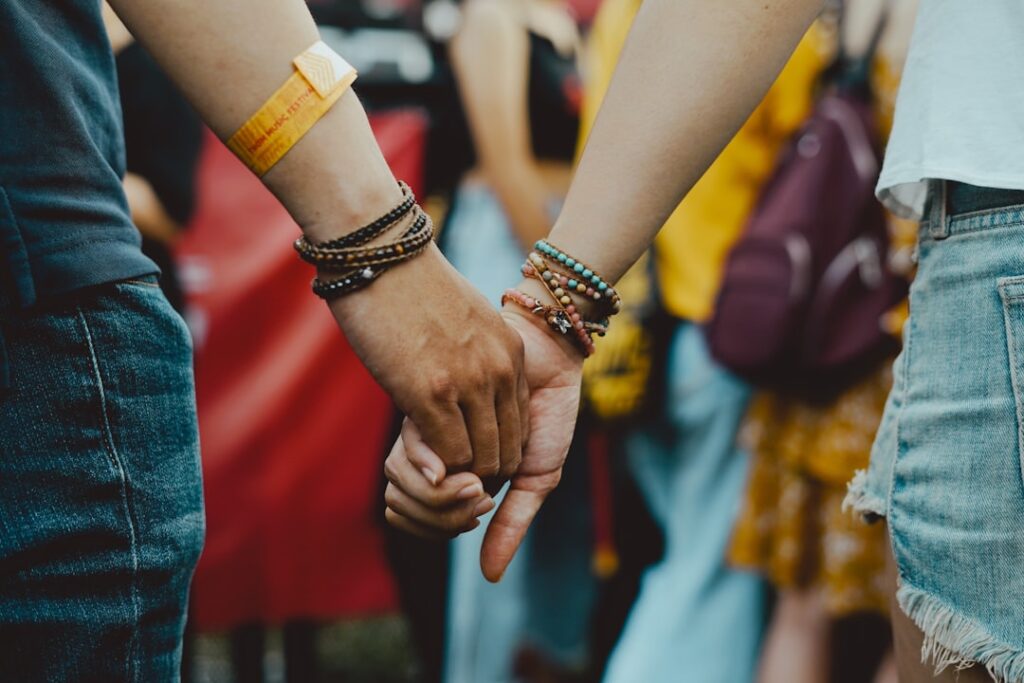
The arm, a canvas of skin and bone, holds the potential for significant sartorial expression. Among the array of adornments available to enhance this canvas, bracelets stand as a particularly versatile and impactful category. This article explores the world of stylish bracelets, examining their varied forms, materials, and the strategies for their effective integration into a wardrobe.
The deliberate choice of bracelets can transform an outfit from merely functional to a statement of personal style. They are not simply inert objects; they are talismans, each carrying a narrative or a visual cue that contributes to the overall presentation. Understanding the nuances of bracelet selection and deployment allows an individual to wield this accessory as a powerful tool in their fashion arsenal.
The selection of bracelets is not arbitrary. It begins with an understanding of the fundamental principles that govern their aesthetic appeal and their compatibility with personal style and occasion.
Material Matters: A Rich Tapestry of Textures and Tones
The material from which a bracelet is crafted is a primary determinant of its character, durability, and how it interacts with other elements of an outfit.
Precious Metals: Timeless Luminosity and Enduring Value
Gold, silver, and platinum constitute the triumvirate of precious metals commonly employed in bracelet construction. Gold, with its warm, lustrous glow, offers a spectrum of hues, from the pale whisper of white gold to the rich intensity of yellow gold and the rosy blush of rose gold. Its intrinsic value and resistance to tarnishing make it a perennial choice for both everyday wear and significant gifts. Silver, with its cooler, brighter sheen, provides a versatile and often more accessible option. Its ability to be polished to a brilliant shine or to develop a characteristic patina over time adds to its appeal. Platinum, the densest and most durable of the precious metals, offers an understated elegance and exceptional resistance to wear. It is often chosen for its hypoallergenic properties and its ability to hold gemstones securely.
Gold Alloys and Their Nuances
Gold is rarely used in its pure form (24 karat) for jewelry due to its extreme softness. Instead, it is alloyed with other metals like copper, silver, and zinc to achieve a range of purities and colors. 18-karat gold, for instance, contains 75% pure gold, while 14-karat gold comprises 58.3% pure gold. The choice of alloy impacts color, durability, and cost. Understanding these variations allows for informed decisions based on aesthetic preference and practical considerations.
Sterling Silver’s Appeal and Care
Sterling silver is an alloy of silver containing 92.5% pure silver and 7.5% other metals, typically copper. This composition enhances its hardness and durability compared to pure silver. However, sterling silver is susceptible to tarnishing, a chemical reaction with sulfur compounds in the air that results in a dull, darkened surface. Regular cleaning with specialized silver polishing cloths or solutions is essential to maintain its bright luster.
Base Metals and Their Modern Versatility
Beyond precious metals, a vast array of base metals, often treated or plated, offer a more budget-friendly and diverse palette for bracelet design. Brass, copper, stainless steel, and various exotic alloys can be manipulated to mimic the appearance of precious metals or to create unique patinas and finishes.
Stainless Steel’s Robustness and Hypoallergenic Qualities
Stainless steel, an alloy of iron and chromium, is renowned for its exceptional strength, resistance to corrosion and tarnishing, and hypoallergenic properties. Its modern, industrial aesthetic makes it a popular choice for contemporary bracelet designs, from sleek cuffs to intricately linked chains.
Plating Techniques: Enhancing Appearance and Affordability
Gold plating, rhodium plating, and PVD (Physical Vapor Deposition) coatings are common techniques used to apply a thin layer of a desired metal onto a base metal. This allows for the visual appeal of precious metals at a significantly lower cost. However, it is important to note that plated items are subject to wear and tear, and the plating may eventually rub off, revealing the base metal beneath. The thickness and quality of the plating are crucial factors in its longevity.
Natural Materials: Embracing Organic Textures and Earthy Tones
The realm of natural materials offers a distinct aesthetic, rooted in organic textures and earthy tones.
Leather: From Rugged to Refined
Leather, in its various forms, provides a broad spectrum of stylistic possibilities. Rawhide, typically thicker and more textured, lends itself to rugged, bohemian, or edgy designs, often featuring braiding or beadwork. Smoother, polished leathers, such as calfskin or lambskin, can be incorporated into more sophisticated and minimalist bracelets or used as a band for metal or gemstone charms. The natural grains and variations in leather add a unique character to each piece.
Wood and Its Diverse Forms
Wood offers an almost boundless variety of textures, colors, and grains. From the dark, polished richness of ebony to the pale, intricate patterns of sandalwood, wooden bracelets can range from minimalist beads to elaborately carved pieces. The natural scent of some woods, like cedar or sandalwood, can also add an olfactory dimension to the wearer’s experience.
Shell and Bone: Evoking Coastal and Primitive Aesthetics
Shells, whether polished mother-of-pearl, the iridescent allure of abalone, or the stark simplicity of cowrie shells, bring a touch of the ocean to jewelry. Bone, carved and polished, can offer a primitive or tribal aesthetic, often featuring incised patterns or a natural, organic shape. Both materials have a lightweight quality, making them comfortable for extended wear.
Gemstones: Adding Color, Sparkle, and Symbolism
The inclusion of gemstones elevates bracelets from simple adornments to pieces imbued with color, sparkle, and often, symbolic meaning.
The Spectrum of Colors: From Vibrant Hues to Subtle Tints
Gemstones exist in virtually every color imaginable. Diamonds and white sapphires offer pure, colorless brilliance. Emeralds, peridots, and tsavorites lend lush green tones. Rubies and garnets blaze with fiery reds, while amethysts and sapphires showcase regal purples and deep blues. The thoughtful selection of gemstone colors can either complement the wearer’s attire or serve as a striking focal point.
The “Big Three”: Diamonds, Rubies, and Sapphires
These historically significant gemstones are prized for their beauty, durability, and rarity. Diamonds, known for their exceptional hardness and ability to refract light, epitomize luxury and enduring commitment. Rubies, with their passionate red hues, symbolize love and vitality. Sapphires, most famously blue, represent wisdom and nobility.
Semi-Precious Choices: A Universe of Options
Beyond the celebrated trio, a vast universe of semi-precious stones offers a wealth of color and character. Topaz, aquamarine, citrine, garnet, turquoise, and many others provide accessible yet beautiful options for adding color and personal significance to bracelets.
Mineral Properties: Hardness, Luster, and Inclusions
The inherent properties of gemstones, such as their hardness (measured on the Mohs scale), luster (how light reflects off their surface), and the presence of natural inclusions, contribute to their value and aesthetic appeal. Harder stones are more resistant to scratching and are thus more suitable for everyday wear. The degree of luster can range from vitreous (glass-like) to adamantine (diamond-like). Inclusions, though sometimes seen as flaws, can also lend unique character and identity to a gemstone.
The Mohs Hardness Scale: A Practical Guide to Durability
Understanding the Mohs scale allows for informed choices regarding gemstone durability. Diamonds rate a perfect 10, making them ideal for high-impact wear. Sapphires and rubies score a 9, while quartz (including amethyst and citrine) registers a 7. Softer stones, like pearls or amber, typically score below 3 and require more delicate handling.
If you’re interested in exploring more about tools that can enhance your crafting experience, you might find this article on choosing the right bandsaw for your workshop particularly useful. It provides a comprehensive guide that can help you select the best equipment for creating intricate designs, including those for bracelets. Check it out here: Choosing the Right Bandsaw for Your Workshop: A Comprehensive Guide.
Categorizing Bracelet Styles: A Framework for Selection
Bracelets can be broadly categorized based on their construction and design, each offering distinct stylistic profiles.
Cuffs: Bold Statements and Unwavering Presence
Cuff bracelets are rigid, often wide, bands that encircle the wrist without a clasp. Their inherent structure imparts a sense of strength and confidence.
Solid Cuffs: Minimalist Elegance and Uninterrupted Lines
Solid metal cuffs, whether polished, hammered, or textured, exude a minimalist elegance. Their uninterrupted lines create a clean and sophisticated silhouette, making them ideal for both formal and casual ensembles. Engraving or subtle embellishments can add a personalized touch.
Open Cuffs vs. Closed Cuffs
While the term “cuff” often implies a closed band, open cuffs feature a gap at the bottom, allowing for easier wear and adjustment. This design variation can also contribute to a more modern or casual aesthetic.
Flexible Cuffs: Adaptable Forms and Varied Embellishments
Flexible cuffs incorporate hinges, articulated segments, or other mechanisms that allow them to bend and adapt to the wrist’s shape. This flexibility often accommodates a wider range of designs and embellishments.
Hinged Cuffs: Secure Fit and Dramatic Flair
Hinged cuffs, often secured with a clasp, can offer a very secure fit and allow for more elaborate designs, including those with prominent gemstones or intricate metalwork. They often possess a more formal or statement-making quality.
Bangles: Classic Simplicity and Stackable Potential
Bangles are rigid bracelets that are slipped over the hand. They are typically circular or oval in shape and come in a wide variety of widths and materials.
Single Bangles: Subtle Accents and Timeless Appeal
A single, well-chosen bangle can provide a subtle yet elegant accent to an outfit. Their simplicity makes them versatile, pairing well with a wide range of styles.
Thin Bangles vs. Wide Bangles
The width of a bangle significantly influences its visual impact. Thin bangles offer a delicate touch, while wider bangles command greater attention and can serve as a focal point.
Stacked Bangles: Creating Rhythmic Layers and Personal Expression
The true power of bangles often lies in their ability to be stacked. Layering multiple bangles, in varying materials, textures, and widths, creates a rhythmic and dynamic visual effect. This approach allows for immense personal expression, as the wearer can curate a unique collection that tells a story.
Material and Color Combinations for Stacking
Experimenting with combinations of gold and silver bangles, or mixing metals with wood or leather, can create sophisticated and eye-catching arrangements. The interplay of colors and textures adds depth and interest to the wrist.
Chain Bracelets: Versatile Links and Enduring Popularity
Chain bracelets are constructed from a series of interlinked metal segments, offering a classic and enduring style.
Classic Link Styles: From Delicate Gatsby to Bold Figaro
The variety of chain link styles is vast, each with its own character. Delicate cable chains offer understated elegance, while curb chains, with their tightly interlocking links, provide a more substantial feel. Figaro chains, characterized by their alternating patterns of short and long links, add a touch of visual interest.
The Significance of Link Geometry
The shape and arrangement of chain links contribute to the overall aesthetic. Round links, oval links, and more geometric designs each impart a different feel, from soft and flowing to sharp and modern.
Charm Bracelets: Collecting Memories and Personal Narratives
Charm bracelets, a perennial favorite, feature a chain to which a variety of small ornamental pendants, or charms, are attached. These charms can represent significant life events, personal interests, or cherished memories, transforming the bracelet into a wearable narrative.
The Art of Charm Selection
Choosing charms is a deeply personal process. Each charm is a word in the bracelet’s story. Whether collecting miniature representations of hobbies, birthstones of loved ones, or symbols of significant milestones, the selection reflects the wearer’s individual journey.
Beaded Bracelets: Organic Beauty and Gemstone Focus
Beaded bracelets are comprised of individual beads strung together, offering a wide range of aesthetic possibilities depending on the bead material and arrangement.
Gemstone Beaded Bracelets: Harnessing Natural Beauty and Alleged Energies
Bracelets made from polished gemstone beads are immensely popular, offering the opportunity to wear beloved stones in a more accessible and casual format. Beyond their aesthetic appeal, many believe certain gemstones possess metaphysical properties and energies that can benefit the wearer.
Uniformity vs. Irregularity in Beading
Beaded bracelets can feature uniformly sized and shaped beads, creating a classic and precise look. Alternatively, bracelets with irregularly shaped or sized beads, often found in artisanal creations, offer a more organic and unique aesthetic.
Seed Bead Bracelets: Intricate Weaving and Textured Detail
Seed beads, tiny glass beads often used in intricate weaving techniques, allow for the creation of bracelets with detailed patterns and rich textures. These can range from geometric motifs to delicate floral designs.
Tennis Bracelets: Understated Luxury and Continuous Sparkle
Tennis bracelets are characterized by a continuous line of equally sized gemstones, typically diamonds, set in a flexible metal band.
Diamond Tennis Bracelets: A Symbol of Enduring Elegance
The classic diamond tennis bracelet is a timeless symbol of understated luxury. The consistent sparkle of the diamonds, flowing seamlessly around the wrist, creates an elegant and sophisticated statement, often associated with anniversaries and special occasions.
The “Tennis Bracelet” Nomenclature: A Sporting Origin Story
The name “tennis bracelet” originates from a specific incident during a tennis match in 1987, where a professional player’s diamond bracelet broke and scattered on the court, leading to a temporary suspension of play. This event cemented the design’s association with the sport and its inherent elegance.
Accessorizing with Style: Strategic Bracelet Integration
The mere possession of stylish bracelets is insufficient. Their efficacy lies in their strategic integration into an ensemble.
The Art of Layering: Creating Depth and Visual Interest
Layering bracelets, the practice of wearing multiple bracelets on a single wrist or across both, offers a dynamic and personalized approach to accessorizing.
Mixing Materials and Textures: A Symphony of Contrasts
Combining bracelets of different materials – for example, a leather cuff with a delicate gold chain and a beaded gemstone bracelet – creates a visually engaging juxtaposition. The interplay of smooth leather, polished metal, and the varied textures of beads can elevate the overall look.
Balancing Proportions: Avoid Overwhelming the Wrist
When layering, it is crucial to maintain a sense of balance. A wrist laden with numerous bulky bracelets can appear overwhelming. Consider varying the widths and styles of the bracelets to create visual harmony.
Color Coordination and Contrast: Harmonizing or Accenting
The colors of the bracelets can either harmonize with the outfit’s color palette or provide a deliberate contrast, drawing attention to the wrist. A stack of silver bracelets against a deep navy dress, or a collection of warm-toned gemstone bracelets complementing earthy tones, are examples of effective color strategies.
Occasion-Appropriate Selection: Matching the Moment
The choice of bracelets should always consider the context and formality of the occasion.
Casual Everyday Wear: Embracing Comfort and Effortless Style
For casual everyday wear, a single beaded bracelet, a simple leather band, or a stack of thin metal bangles often suffices. The focus is on comfort and an effortless expression of personal style. These pieces act as understated garnishes, adding a touch of personality without being ostentatious.
The Power of a Statement Piece for Casual Outings
Conversely, a single, bold cuff bracelet can also serve as a powerful statement piece for casual outings, transforming a simple t-shirt and jeans into a more fashion-forward ensemble.
Business and Professional Settings: Subtle Sophistication and Restraint
In professional environments, a more restrained approach is generally advised. A delicate gold or silver chain bracelet, a thin bangle, or a discreet gemstone bracelet can add a touch of polish without being distracting. The aim is to convey professionalism and attention to detail.
The “Less is More” Principle in Corporate Environments
The “less is more” principle is often paramount in professional settings. Overly elaborate or noisy jewelry can detract from one’s message. Opt for pieces that speak of quality and refined taste.
Formal Events and Evenings: Embracing Glamour and Boldness
Formal events offer an opportunity to embrace more opulent and eye-catching bracelets. Diamond tennis bracelets, intricately designed cuff bracelets adorned with gemstones, or multiple stacked, jewel-toned bangles can add a significant element of glamour to an evening ensemble.
The Role of Statement Bracelets in Elevating Evening Wear
A striking statement bracelet can serve as the focal point of an evening outfit, drawing the eye and adding a touch of luxury to a cocktail dress or formal gown.
Personal Style Synergies: Aligning with Your Wardrobe’s Narrative
Ultimately, the most stylish bracelets are those that seamlessly integrate with an individual’s existing wardrobe and personal aesthetic.
Bohemian Chic: Embracing Natural Elements and Layered Designs
For those with a bohemian sensibility, bracelets featuring natural materials like leather, wood, and shell, often layered with mixed metals and an abundance of colorful beads, are ideal. These pieces embody an untamed, free-spirited elegance.
Minimalist Modern: Clean Lines and Subtle Accents
The minimalist embraces clean lines, geometric shapes, and a muted color palette. Bracelets that align with this aesthetic are typically made of polished metal, often in silver or rose gold, with simple designs like open cuffs or delicate single chains. These pieces are like quiet whispers, adding just enough detail.
Edgy and Avant-Garde: Bold Forms and Darker Palettes
Individuals with an edgy or avant-garde style might gravitate towards bracelets with unconventional designs, such as chunky chains, spiked cuffs, or pieces in darker metals like oxidized silver or blackened steel. These accessories are not afraid to make a statement.
The bracelet, in its myriad forms and materials, is a potent accessory capable of profoundly influencing one’s presentation. By understanding the foundational elements of style, the various categories of bracelets, and the strategic approaches to their integration, an individual can master the art of accessorizing, transforming their wrist into a canvas of refined personal expression.
FAQs
What materials are commonly used to make bracelets?
Bracelets can be made from a variety of materials including metals like gold, silver, and stainless steel, as well as leather, fabric, beads, plastic, and gemstones.
What are the different types of bracelets?
Common types of bracelets include bangles, cuffs, charm bracelets, chain bracelets, beaded bracelets, and friendship bracelets, each varying in design and purpose.
How do you determine the right bracelet size?
To find the right bracelet size, measure your wrist circumference with a flexible tape measure or string, then add about half an inch to one inch for comfort, depending on the bracelet style.
Are bracelets suitable for both men and women?
Yes, bracelets are unisex accessories and come in styles designed for men, women, and children, allowing for personal expression regardless of gender.
How should bracelets be cared for to maintain their appearance?
Bracelet care depends on the material; generally, keep them dry, avoid exposure to harsh chemicals, clean them regularly with appropriate cleaners, and store them separately to prevent scratches.