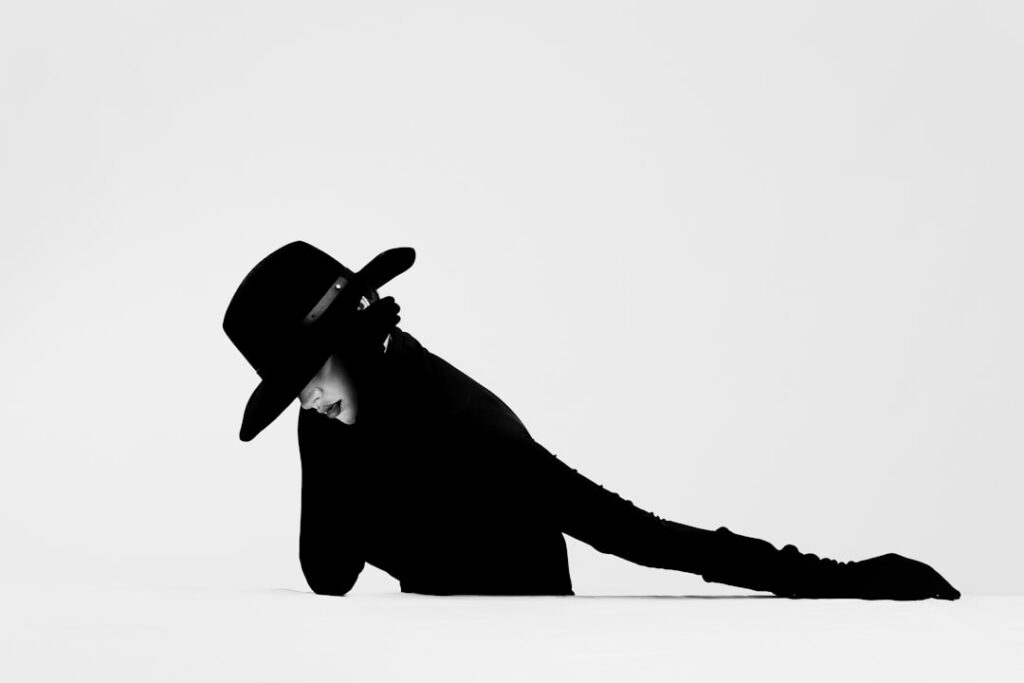
The following article outlines five prominent fashion trends observed this season, offering an objective analysis of their characteristics, styling considerations, and potential applications within various wardrobes. This examination adheres to a factual style, devoid of subjective praise or promotional language, much like a Wikipedia entry. The intent is to provide an informative overview, addressing the reader directly to facilitate understanding and application.
The fashion landscape is currently experiencing a compelling return to tailored minimalism, a stylistic movement characterized by clean lines, sophisticated silhouettes, and a restrained color palette. This trend is not a mere reiteration of past minimalist phases but rather a thoughtful evolution, integrating contemporary comfort with classic precision.
Key Characteristics of Tailored Minimalism
At its core, tailored minimalism emphasizes construction and fabrication. Garments are meticulously cut, often featuring sharp angles and defined structures that create a sense of architectural elegance. The focus shifts away from overt ornamentation towards an appreciation for inherent quality and form. This translates into pieces that are both timeless and adaptable.
- Clean Silhouettes: Expect to see straight-leg trousers, oversized blazers with defined shoulders, and A-line skirts. These shapes are designed to skim the body rather than cling, offering a relaxed yet refined aesthetic. The silhouette acts as the primary visual statement, a testament to the power of form over excessive detail.
- Neutral Color Palettes: The prevailing color scheme leans heavily into a spectrum of neutrals. Black, white, cream, beige, and various shades of grey form the foundation. These colors serve as a blank canvas, allowing the wearer’s personal style to emerge through subtle layering and thoughtful accessorization. Occasional pops of muted, earthy tones—such as olive green or terracotta—may be incorporated but always in a subordinate role.
- High-Quality Fabrics: Material selection is paramount within tailored minimalism. Luxurious wool blends, crisp cotton twills, refined linens, and supple leathers are favored. The tactile quality of these fabrics contributes significantly to the overall impression of sophistication and longevity. The drape and feel of the material are integral to the garment’s success.
- Subtle Detailing: Embellishments are sparse and purposeful. Instead of intricate embroidery or bold prints, attention is drawn to elements like expertly placed seams, concealed button plackets, and precisely tailored collars. These details serve to enhance the garment’s structure rather than distract from it, functioning like subtle whispers of craftsmanship.
Styling Considerations for Tailored Minimalism
Integrating tailored minimalism into an existing wardrobe requires a discerning eye and an appreciation for understated elegance. The emphasis is on cultivating a cohesive and versatile collection of garments that can be mixed and matched with ease.
- Layering as an Art Form: The versatility of minimalist pieces lends itself exceptionally well to intelligent layering. A crisp white shirt under a tailored vest, or a cashmere knit beneath an oversized trench coat, exemplifies this approach. Each layer adds depth and dimension without creating visual clutter, much like the layers of a carefully constructed essay, each contributing to the overall argument.
- Strategic Accessorization: Given the understated nature of the garments, accessories play a crucial role in injecting individuality. Consider minimalist jewelry, such as delicate gold chains or sculptural earrings. Leather goods, particularly well-structured handbags and classic belts, also contribute to the polished aesthetic. The accessory functions as a period at the end of a well-phrased sentence, providing a definitive, yet restrained, conclusion.
- Footwear Choices: Footwear should align with the overall sophisticated tone. Loafers, sleek ankle boots, and understated pumps are suitable options. Avoid overly ornate or brightly colored footwear that might disrupt the trend’s refined equilibrium. The shoes should ground the outfit, providing a stable foundation for the minimalist expression.
- Emphasis on Fit: Regardless of whether garments are oversized or more fitted, the precision of the cut and fit is paramount. Ill-fitting clothing can undermine the entire aesthetic. Investing in tailoring services to ensure a perfect fit for key pieces is a worthwhile endeavor. A well-fitting garment is like a perfectly scaled architectural model, where every proportion is harmonious.
In the ever-evolving world of fashion, understanding the impact of technology on consumer behavior is crucial. A related article that delves into the strategic advantages of modern technology in various sectors, including fashion, can be found here: The Strategic Advantage of Deploying SD-WAN Technology in Modern Businesses. This piece explores how businesses can leverage advanced technology to enhance their operations, which is increasingly relevant in the fast-paced fashion industry.
The Enduring Appeal of Elevated Workwear
Elevated workwear represents a contemporary interpretation of traditional utility garments, transforming functional clothing into stylish and versatile attire. This trend transcends rudimentary uniforms, infusing them with upgraded fabrics, refined silhouettes, and thoughtful design elements.
Defining Characteristics of Elevated Workwear
This trend champions durability, practicality, and a sense of understated cool. It borrows heavily from the lexicon of industrial and military aesthetics but reinterprets these elements for a more sophisticated, everyday context.
- Robust Fabrics: Durable materials are a cornerstone of elevated workwear. Heavy-duty cotton twills, selvedge denim, canvas, and ripstop fabrics are frequently employed. These materials contribute to the garments’ longevity and inherent structure, offering a sense of resilience. The fabric acts as the primary safeguard, protecting the wearer just as a sturdy fortification protects a city.
- Functional Design Elements: Pockets, often in multiple configurations (patch pockets, cargo pockets, breast pockets), are common. Reinforced seams, utilitarian hardware (like robust zippers and snap buttons), and adjustable details also feature prominently. These elements are not merely decorative but serve an actual purpose, embodying the “work” aspect of the trend.
- Structured yet Comfortable Silhouettes: While drawing from practical origins, elevated workwear avoids overly boxy or shapeless forms. Instead, it favors relaxed yet structured silhouettes that offer ease of movement without sacrificing a polished appearance. Think of boiler suits with cinched waists, or cargo trousers with a refined taper. The silhouette strikes a balance, much like a well-engineered bridge that is both strong and graceful.
- Earthy and Industrial Color Palettes: The color range typically includes shades of olive green, khaki, navy, various browns, and black. These colors evoke a sense of ruggedness and practicality, mirroring the natural and industrial environments from which workwear originates. Occasionally, muted rust or charcoal gray might appear, adding subtle variety.
Incorporating Elevated Workwear into Your Wardrobe
Adopting the elevated workwear trend involves selecting key pieces that blend functionality with modern aesthetics. It’s about achieving a look that is both grounded and discerning.
- The Utility Jumpsuit/Boiler Suit: This one-and-done garment is a quintessential representation of the trend. Look for versions in sturdy cotton twill or denim, offering a relaxed fit with details like a cinched waist or multiple pockets. It serves as a comprehensive statement piece, a complete narrative in a single garment.
- Refined Cargo Trousers: Move beyond overly baggy cargo pants. The elevated version features a more streamlined fit, perhaps with a subtle taper, and crafted from high-quality fabrics like brushed cotton or Tencel blends. Pockets are integrated seamlessly, maintaining a sophisticated profile. These trousers are the backbone of the trend, providing both utility and style.
- Overshirts and Chore Jackets: These versatile layering pieces are ideal for bridging seasons. Crafted from robust fabrics, they can be worn as light outerwear or as an additional layer over a t-shirt or thin knit. Their unstructured yet sturdy nature makes them incredibly adaptable, much like a good scout knife, ready for various tasks.
- Durable Footwear: Complement elevated workwear with functional yet stylish footwear. Leather boots (like Chelsea boots or combat boots), sturdy sneakers, or even premium work boots (such as those from brands known for their heritage designs) are appropriate choices. The footwear grounds the utilitarian aesthetic, providing a solid foundation.
- Balancing with Softer Elements: To avoid a monolithic, overly rugged appearance, consider pairing workwear pieces with softer elements. A silk scarf, a fine-gauge knit, or delicate jewelry can introduce an interesting contrast without undermining the core aesthetic. This layering of textures and styles creates a nuanced visual dialogue.
The Allure of Artisanal Textures and Handmade Aesthetics
In a fashion landscape often dominated by mass production, there is a notable draw towards artisanal textures and the inherent beauty of handmade aesthetics. This trend celebrates craftsmanship, natural fibers, and a sense of uniqueness that machine-made items often lack.
Characteristics of Artisanal Textures
This trend is an ode to the tactile and the authentic, prioritizing sensory experience and a connection to traditional methods. It acts as a counter-narrative to the frictionless efficiency of modern manufacturing.
- Natural and Imperfect Fabrics: Expect to see raw silks, organic cottons with slubby textures, hand-loomed linens, and artisanal knits. These fabrics often exhibit minor irregularities or variations in weave, which are considered desirable markers of their authentic origin. The imperfections are not flaws but signatures, like the unique grain in a piece of unpolished wood.
- Embroidered and Embellished Details: Hand embroidery, intricate beading, and appliqué work feature prominently. These details are often inspired by traditional folk art or global weaving techniques, adding depth and a narrative quality to the garments. Each stitch tells a small part of a larger story.
- Woven and Knitted Patterns: Intricate jacquards, textural stripes, and complex cables in knitwear contribute to the tactile richness. These patterns are achieved through skilled manipulation of threads, creating visual interest that invites closer inspection. The patterns are not merely printed but are integral to the very structure of the fabric.
- Natural Dyes and Muted Colors: The color palette often reflects natural dyes, resulting in earthy tones, faded pastels, and rich, saturated hues that possess an organic depth. There is an avoidance of synthetic brightness, favoring colors that feel derived from the earth itself, as though painted by nature’s own brush.
Integrating Handmade Aesthetics into Your Wardrobe
Embracing artisanal textures and handmade aesthetics is about curating a wardrobe that feels thoughtful, unique, and connected to heritage. It encourages a shift from disposable fashion to treasured pieces.
- Statement Knitwear: A handcrafted sweater or cardigan, perhaps with intricate cable patterns or a unique textured weave, can serve as a focal point. Its tactile quality and visual depth make it a conversation starter, a warm embrace in garment form.
- Embellished Accessories: Consider incorporating accessories with hand-stitched details, woven patterns, or artisanal beads. Scarves, bags, and even belts made with traditional techniques can add a bohemian or earthy touch to an outfit, like a well-chosen accent mark that modifies the meaning of a word.
- Layering Textures: The success of this trend often lies in the thoughtful layering of different textures. Pair a raw silk top with a textured linen skirt, or a chunky knit sweater over a smooth cotton dress. The interplay of textures creates a dynamic and visually rich ensemble. This is like a symphony of touch, where each instrument contributes a distinct feel.
- Focus on Individual Pieces: Instead of purchasing entire outfits, concentrate on acquiring individual pieces that showcase exceptional craftsmanship. A single hand-embroidered blouse or a pair of artisanal leather sandals can elevate an otherwise simple ensemble. These pieces act as anchors, drawing the eye and grounding the aesthetic.
- Sustainable and Ethical Considerations: Implicit in this trend is an appreciation for the origins of the garments. Many brands focusing on artisanal production also adhere to sustainable and ethical practices, resonating with consumers seeking conscious consumption. This consideration transforms the garment from a mere object into a statement of values.
The Modern Revival of Academic Chic
Academic chic, often referred to as “preppy” or “collegiate” style, is re-emerging with a contemporary sensibility. This revival moves beyond its traditional, sometimes rigid, connotations to embrace a more inclusive, nuanced, and fashion-forward interpretation.
Hallmarks of Modern Academic Chic
This trend draws inspiration from scholastic institutions and intellectual pursuits but recontextualizes these influences for a broader audience. It merges tradition with accessibility, like a seasoned scholar making complex ideas understandable to a novice.
- Classic Silhouettes with a Twist: Expect to see updated versions of traditional items such as blazers, polo shirts, pleated skirts, and argyle sweaters. The “twist” often lies in unexpected proportions, playful color combinations, or contemporary fabric choices that lend a fresh perspective. The familiar is rendered new, like an old story re-told with a modern idiom.
- Layering for Depth and Intricacy: Layering is fundamental to academic chic. A collared shirt beneath a V-neck sweater, perhaps topped with a tailored blazer, creates a scholarly and polished look. This technique allows for personal expression and adaptability to varying temperatures, akin to building a compelling argument using multiple supporting points.
- Intellectual and Preppy Motifs: Elements like crests, collegiate lettering, plaid patterns (especially tartan and Prince of Wales check), and school-tie stripes are prevalent. However, these motifs are often applied in a more subtle or ironic manner, avoiding overt ostentation. They are gentle nods to heritage rather than rigid adherence.
- Structured Accessories: Accessories play a vital role in completing the academic chic aesthetic. Leather loafers, brogues, satchel bags, square-framed glasses, and even subtle ties or bowties contribute to the intellectual aura. These accoutrements serve as visual cues, signaling refinement and a degree of seriousness.
Navigating the Modern Academic Chic
Successfully adopting this trend involves balancing traditional elements with contemporary styling. It’s about looking smart and composed, without appearing overly costume-like or dated.
- The Versatile Blazer: A well-fitting blazer, whether tweed, wool, or cotton, is indispensable. It can be paired with tailored trousers for a classic look or dressed down with jeans for a more casual yet polished ensemble. The blazer acts as the cornerstone of the academic wardrobe, providing structure and authority.
- Knitwear as a Staple: From classic V-neck sweaters to chunky cardigans and sweater vests adorned with collegiate stripes or subtle motifs, knitwear is central. Look for quality fabrics like merino wool, cashmere, or soft cottons for comfort and longevity. These pieces offer warmth, texture, and a touch of intellectual gravitas.
- The Shirt Foundation: Button-down shirts, particularly in crisp cotton or Oxford cloth, are essential. They provide a clean base for layering and can be worn tucked or untucked depending on the desired level of formality. The shirt is the primer of the outfit, a clean page awaiting the addition of further details.
- Pleated Skirts and Trousers: Pleated skirts, from mini to midi lengths, add a feminine yet academic touch. For trousers, consider tailored chinos, wool trousers, or even subtly pleated wide-leg pants. These bottoms offer a structured alternative to jeans, embodying a sense of formality.
- Modern Footwear Integration: While traditional loafers and brogues remain key, contemporary sneakers in minimalist designs can also be incorporated for a more casual, urban academic look. The juxtaposition of classic garments with modern footwear creates a dynamic tension, a harmonious discord.
- Avoid Over-Embellishment: The modern approach to academic chic favors subtle detailing over excessive branding or ostentatious logos. The focus is on quality, fit, and the inherent style of the garments themselves, allowing for an understated elegance. This is the difference between a pronouncement and a confident assertion.
Fashion is not just about clothing; it often intersects with various aspects of lifestyle, including wellness and travel. As more individuals seek to enhance their well-being through unique experiences, the concept of health and longevity vacations is gaining traction. These trips not only focus on relaxation but also on rejuvenation, allowing travelers to immerse themselves in environments that promote physical and mental health. For a deeper understanding of this trend, you can explore the article on health and longevity vacations, which highlights how fashion and wellness can beautifully intertwine in the realm of travel.
The Emergence of Cyber-Utility and Tech-Inspired Fashion
| Metric | Description | Value | Unit |
|---|---|---|---|
| Global Market Size | Total value of the fashion industry worldwide | 1.7 | Trillion USD (2023) |
| Annual Growth Rate | Year-over-year increase in market size | 5.8 | % |
| Fast Fashion Share | Percentage of market dominated by fast fashion brands | 35 | % |
| Online Sales Percentage | Share of fashion sales conducted online | 30 | % |
| Average Consumer Spend | Average annual spend per consumer on fashion | 1200 | USD |
| Sustainable Fashion Growth | Annual growth rate of sustainable fashion segment | 12 | % |
| Employment in Fashion Industry | Number of people employed globally in fashion | 75 | Million |
Cyber-utility and tech-inspired fashion represent a bold step into the future, blending practicality with visionary aesthetics. This trend draws inspiration from advancements in technology, virtual realities, and the evolving landscape of human interaction with digital spheres. It is essentially translating the digital into the palpable, the virtual into the textural.
Defining Features of Cyber-Utility
This trend prioritizes functionality, futuristic design, and often incorporates elements that are either visually inspired by or directly integrated with technological concepts. It’s a sartorial prediction of tomorrow, a speculation made tangible.
- Innovative Materials: Expect to see technical fabrics such as ripstop nylon, Gore-Tex, bonded neoprene, and reflective materials. These fabrics often possess properties like water resistance, breathability, or durability that align with a utilitarian, performance-driven aesthetic. The material is not just covering but also performing, like a digital membrane.
- Structured and Deconstructed Silhouettes: Silhouettes can range from sharply architectural and structured to deconstructed and layered, often with an emphasis on fluid movement or ergonomic design. Asymmetrical cuts, articulated knees, and unconventional closures are common. The form adapts, much like code adapting to new commands.
- Functional Details and Hardware: Abundant pockets, utility straps, bungee cords, drawstrings, and robust hardware (such as buckles, carabiners, and heavy-duty zippers) are integral. These elements serve both a practical purpose and contribute to the visually “engineered” aesthetic. Each component has a role, like an integrated circuit.
- Monochromatic and High-Contrast Color Palettes: The color scheme frequently revolves around blacks, grays, whites, and metallic tones. Neon accents, often in lime green, electric blue, or shocking pink, are strategically used to create high contrast and evoke digital glows or circuit board patterns. These colors are the visual language of the digital realm.
- Inspiration from Sci-Fi and Gaming: The aesthetic often references science fiction narratives, cyberpunk imagery, and video game character designs. This translates into elements like protective layering, graphic prints resembling circuit boards, or reflective details that mimic digital interfaces. It’s a wardrobe for navigating unknown territories, both real and virtual.
Incorporating Cyber-Utility into Your Wardrobe
Embracing cyber-utility requires a willingness to experiment with unconventional forms and materials. It’s about constructing a look that is both forward-thinking and surprisingly wearable.
- The Technical Outerwear Piece: A statement jacket or coat crafted from innovative, weather-resistant fabrics is a cornerstone of this trend. Look for features like multiple pockets, adjustable cuffs, or unique fastening systems. This piece serves as the primary shield, providing both protection and visual impact.
- Utility Trousers with a Modern Edge: Cargo trousers, but reimagined with a sleeker fit, technical fabrics, and perhaps integrated straps or zippered compartments, are key. Joggers made from performance materials also fit this aesthetic. These bottoms combine comfort with a futuristic aesthetic.
- Layering with Performance Fabrics: Utilize base layers made from moisture-wicking or breathable fabrics. Layering a technical long-sleeve top under a graphic t-shirt or vest contributes to the multi-functional appearance. This creates a visual depth that mirrors the complexity of digital systems.
- Accessorize with Tech-Inspired Details: Accessories can significantly amplify this trend. Consider bags with carabiner clips, functional fanny packs worn cross-body, chunky sneakers with sculptural soles, or even smartwatches and wearable tech that integrate seamlessly. These are the input devices for your outfit, enhancing its capabilities.
- Graphic Prints and Logos: Graphic prints depicting abstract digital patterns, bold typography, or stylized tech-related imagery can be incorporated. Large, industrial-style logos or minimalist brand emblems also fit the aesthetic. These prints function as the code that defines the garment’s visual program.
- Balance with Stealth or Maximalism: Cyber-utility can lean towards “stealth techwear” with muted tones and subtle functionality, or it can embrace a more maximalist approach with bright neon accents and prominent hardware. The key is to decide which end of the spectrum aligns with your personal style. This is the choice between a covert operation and a bold declaration.
These five trends offer diverse pathways for engaging with contemporary fashion. Each trend, with its unique set of characteristics and styling principles, provides a framework for informed sartorial exploration, inviting the reader to consider how these shifts might integrate into their individual style narratives.
FAQs
What is fashion?
Fashion refers to the styles and trends in clothing, accessories, footwear, and makeup that are popular at a particular time. It reflects cultural, social, and personal expressions through design and aesthetics.
How often do fashion trends change?
Fashion trends typically change seasonally, with new collections released for spring/summer and fall/winter. However, some trends can evolve more quickly or last longer depending on cultural influences and consumer demand.
What are the main types of fashion styles?
Common fashion styles include casual, formal, business, streetwear, vintage, bohemian, and haute couture. Each style has distinct characteristics and is suited for different occasions and personal preferences.
Who are influential figures in the fashion industry?
Influential figures include fashion designers, models, stylists, and fashion editors. Notable designers like Coco Chanel, Giorgio Armani, and Virgil Abloh have shaped the industry, while models and celebrities often set trends.
How does fashion impact society?
Fashion influences social identity, cultural expression, and economic activity. It can promote creativity and innovation, reflect societal values, and drive industries such as manufacturing, retail, and media.